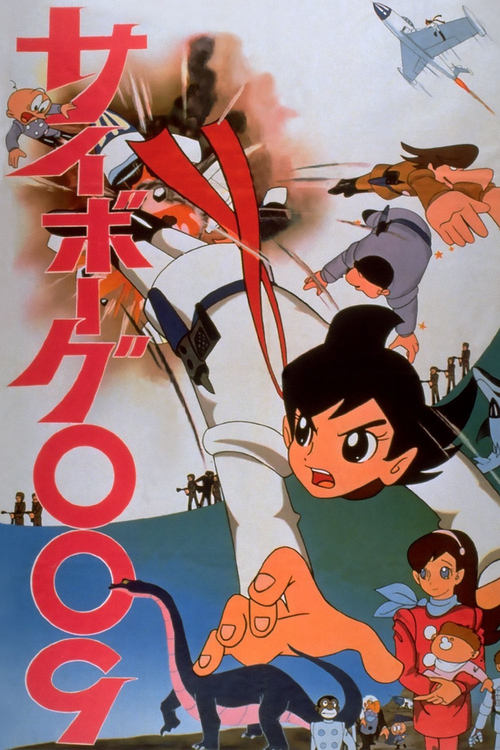
Cyborg 009
1966
No user ratings available yet
Representation score: 4.0 out of 10
Representation Score
Good
1980
NRDirector
Masayuki Akehi, Yasuhiro Yamaguchi
Runtime
130 minutes
Average Rating
No ratings yetNew Showbiz Analysis
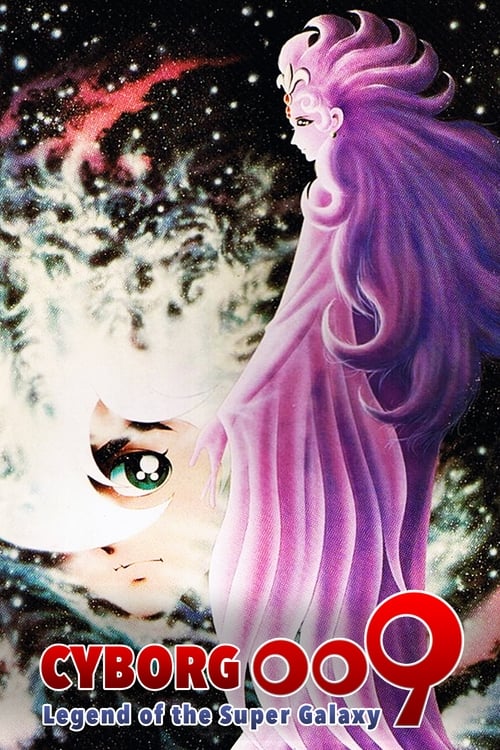
Cyborg 009: Legend of the Super Galaxy uses science fiction to challenge traditional human hierarchies. By focusing on augmented beings, the film explores identity and bodily autonomy through a technological lens. The work excels at using the cyborg metaphor to represent diverse origins and physical differences, moving beyond simple biological standards. However, it lacks explicit multi-layered complexity and remains rooted in the archetypes of its 1980s era, particularly regarding gendered leadership and queer visibility.
Category Breakdown
The film includes cyborg protagonists who exist outside conventional norms, but it lacks explicit depictions of LGBTQ+ identities or same-sex intimacy.
Female characters play important roles, often in high-tech positions that challenge traditional submissive femininity. Despite this, central leadership roles still tend to favor male protagonists.
The cast is international, featuring characters from various nationalities and cultures, reflecting a global perspective. The cyborg concept serves as a metaphor for diversity.
The story focuses on individual autonomy and challenges traditional religious frameworks, emphasizing personal freedom over institutional norms.
Cybernetic augmentation is used to explore both visible and invisible disabilities, reframing these conditions as forms of ability to act and empowerment.
Present on Screen
Limited or Absent
Official Synopsis
An anime film for the second Cyborg 009 anime TV series.
1966
1984

1967
1991
1987
1986
2022
1979
No reviews yet. Be the first to share your thoughts on this movie!
Use the rating form above to leave a star rating and optional review.