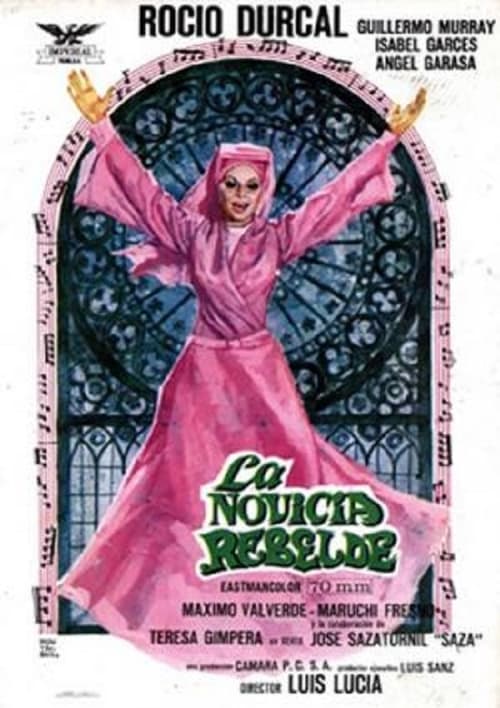
La novicia rebelde
1971
No user ratings available yet
Representation score: 2.4 out of 10
Representation Score
Limited
1973
Director
Julián Pastor
Runtime
88 minutes
Average Rating
No ratings yetNew Showbiz Analysis
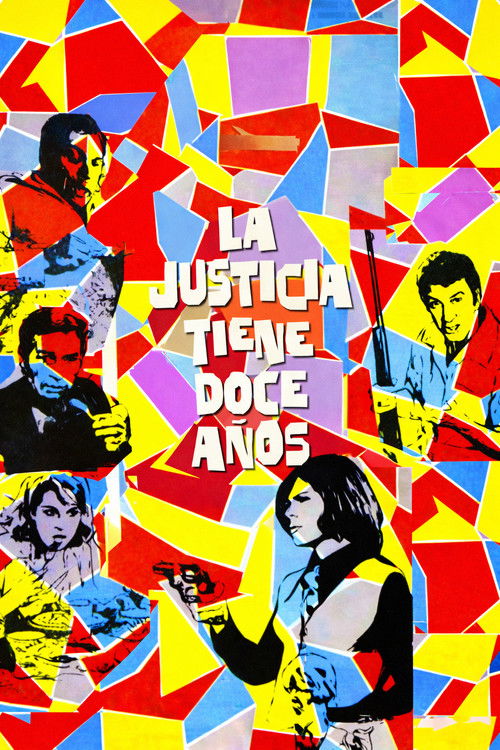
La justicia tiene doce años is a character-driven comedy that finds its progressive value in challenging the competence of adult authority figures. By centering a mischievous twelve-year-old girl against a backdrop of foolish parents and libertine relatives, the film elevates the child's role over traditional domestic hierarchies. However, the film lacks depth in terms of diverse representation. It operates within the demographic and social norms of 1970s Spain, offering little in the way of racial, ethnic, or LGBTQ+ diversity.
Category Breakdown
The film does not include any characters with non-straight sexual orientations or non-cisgender gender identities. It focuses on traditional family structures through a comedic lens.
A young female character challenges traditional gender roles by taking a leading role in the story and showing more ability to act than the adults around her.
The film likely reflects the demographic homogeneity typical of 1970s Spanish cinema. There is no evidence of significant ethnic blending or diverse casting.
The story critiques traditional domesticity by depicting parents and relatives as foolish or libertine. It prioritizes the child's perspective over the sanctity of the family institution.
There is no evidence within the context to suggest the inclusion of characters with visible or invisible disabilities.
Present on Screen
Limited or Absent
Official Synopsis
A mischievous girl must deal with her idiotic parents and her libertine relatives during the holidays.
1971
1985
1990
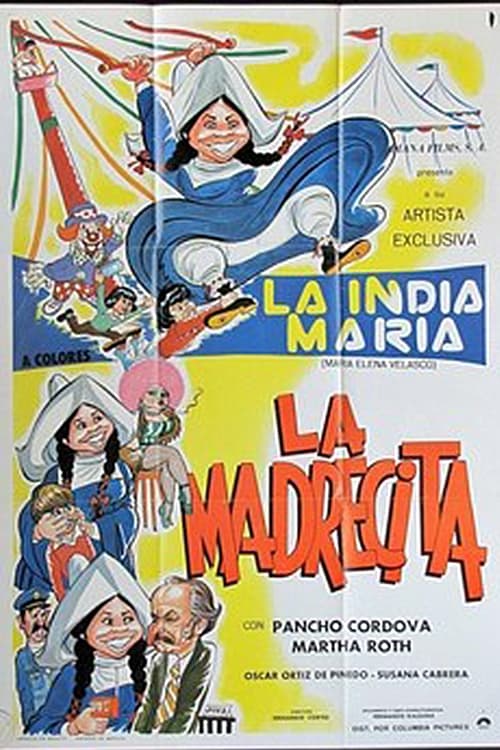
1974

1992
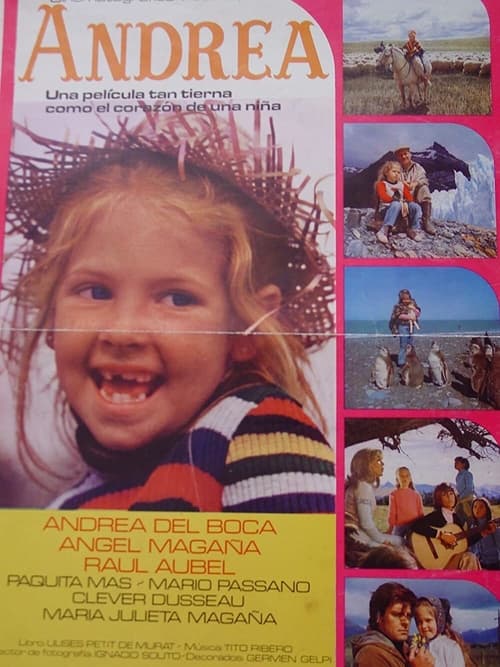
1973
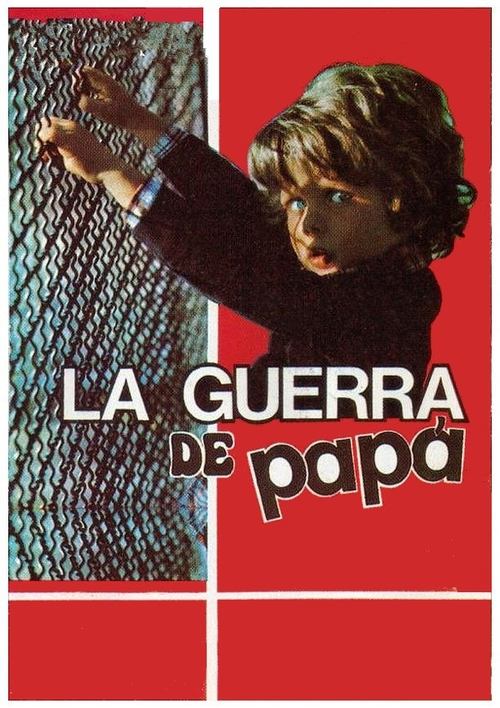
1977
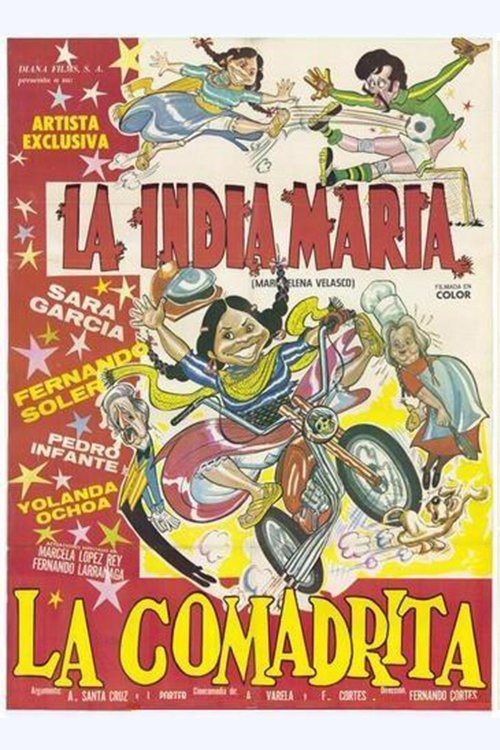
1978
No reviews yet. Be the first to share your thoughts on this movie!
Use the rating form above to leave a star rating and optional review.