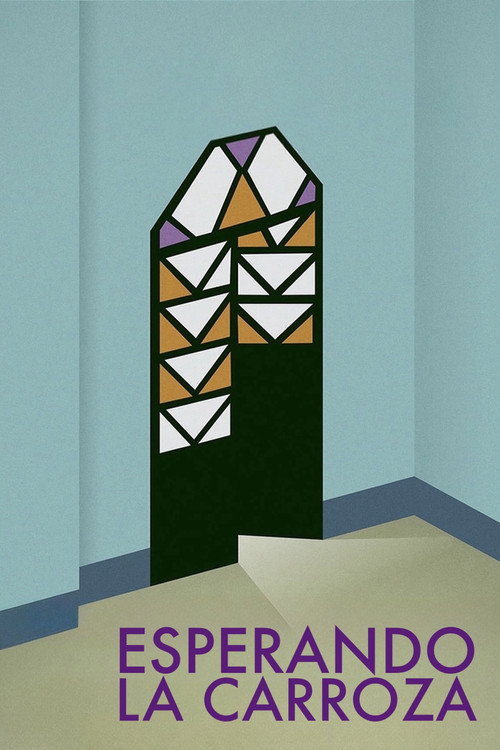
Waiting for the Hearse
1985
No user ratings available yet
Representation score: 7.8 out of 10
Representation Score
Fair
1990
RDirector
Alejandro Doria
Runtime
91 minutes
Average Rating
No ratings yetNew Showbiz Analysis
Alejandro Doria’s work employs the *grotesco criollo* tradition to examine the tension between personal desires and societal norms. The film excels in highlighting the emotional ability to act of women, providing a significant shift from traditional patriarchal storytelling. However, it remains rooted in conventional social outlooks and does not engage with contemporary multi-layered frameworks.
Category Breakdown
The film focuses on traditional heterosexual relationships and emotional struggles. It does not include any representation of LGBTQ+ identities or narratives that challenge the assumption that everyone is straight or cisgender.
The story emphasizes the emotional experiences and ability to act of women, disrupting the traditional male-centric perspective found in many melodramas.
The cast reflects the ethnic and social makeup of the Argentine middle class. It serves as a culturally specific study rather than exploring multiple ethnicities or backgrounds.
The story adheres to traditional Argentine social structures and values from the mid-20th century. It relies on classic emotional archetypes rather than challenging established social hierarchies or religious institutions.
There is no indication of the portrayal of physical or neurodivergent disabilities in the film.
Present on Screen
Limited or Absent
Official Synopsis
A comedy about a young girl who gets pregnant on a traditional Argentinean family.
1985

2019
1977

2002
1973
1990

2010

2019
No reviews yet. Be the first to share your thoughts on this movie!
Use the rating form above to leave a star rating and optional review.