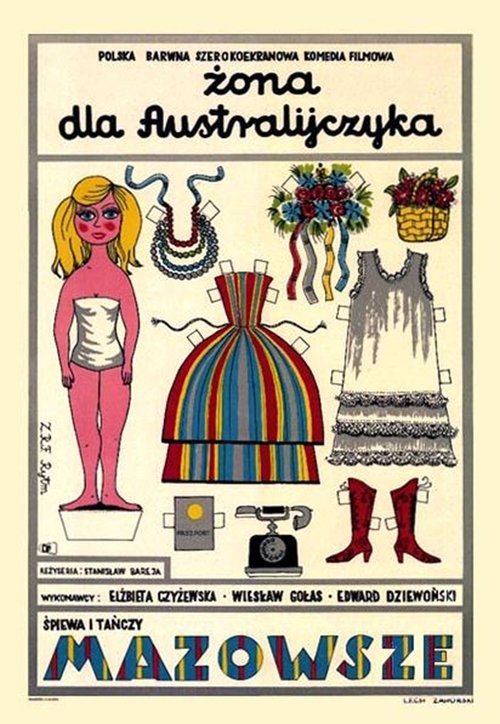
Wife for an Australian
1964
No user ratings available yet
Diversity score: 5.3 out of 10
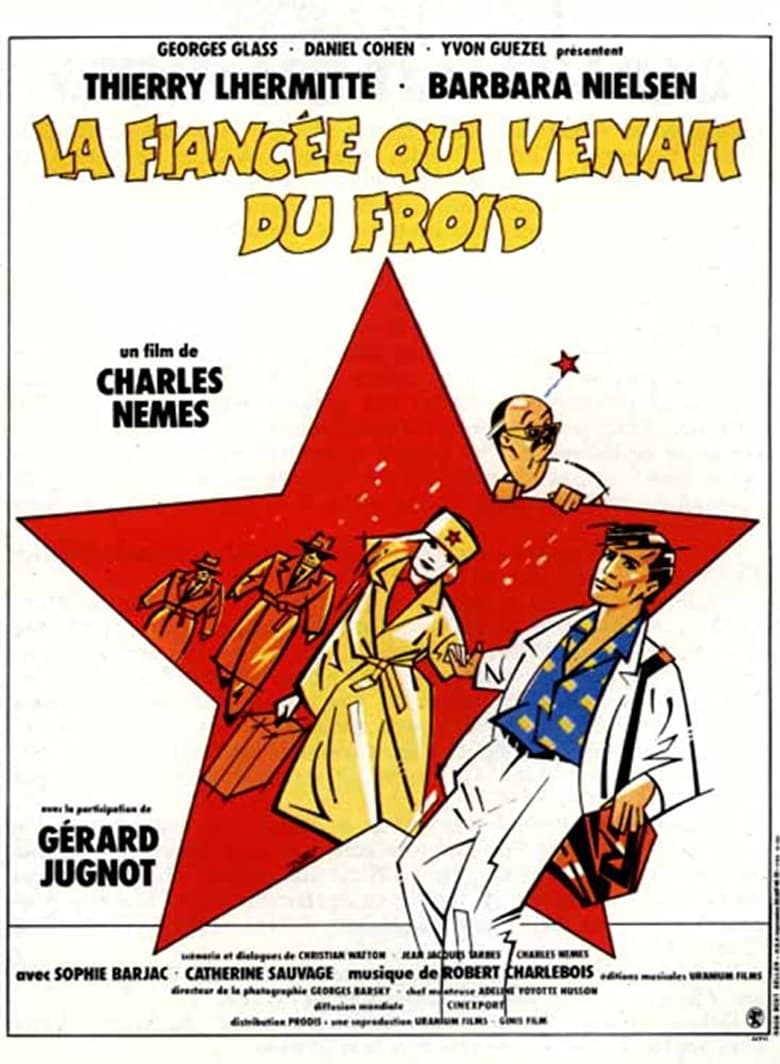
1983
Director
Charles Nemes
Runtime
90 minutes
Average Rating
No ratings yetSynopsis
Paul is a playboy: a former girlfriend asks him to marry Zosia ,a Polish girl ,opponent of the regime of her country (it's 1981,December would see the state of siege in Poland and the arrest of many opponents) Paul hesitates but they told him so: it will be an unconsummated marriage and they will divorce shortly after.Against all odds,Paul ,who is a happy-go-lucky guy,who does not care about politics,flies to Warsaw :Zosia is a gorgeous blonde, and during their honeymoon, he falls in love with her.But it's not that easy ;back in Paris, Zosia is still a political activist whose friends look upon Paul as an intruder.
Overall Score
Fair
Category Breakdown
LGBTQ+ Representation
The film centers on a heterosexual romantic arc between Paul and Zosia. No queer themes or non-cisnormative identities are present in the narrative.
Gender Representation
Zosia avoids the passive 'prize' trope by maintaining strong political agency. Her identity is defined by her activism rather than just her relationship to Paul.
Racial & Ethnic Diversity
The story expands beyond Western-centric views by centering a Polish protagonist. It explores the cultural friction between Paul's Parisian lifestyle and Zosia's lived experience in Warsaw.
Religious & Cultural Diversity
The film explores political resistance against the Polish regime. It uses a transactional marriage to challenge conventional Western notions of romantic idealism and domesticity.
Disability Representation
There is no mention of characters with visible or invisible disabilities in the narrative.
Strengths
Areas for Improvement
AI Analysis
La Fiancée qui venait du froid elevates the romantic comedy genre by weaving geopolitical tensions into a personal story. By centering Zosia's political activism, the film moves beyond simple courtship to explore the friction between individualist lifestyles and collective resistance. The narrative successfully avoids the 'damsel in distress' trope. Zosia is a driver of the plot, defined by her opposition to the Polish regime rather than her role as a romantic interest. While the film remains rooted in a traditional heterosexual framework, its engagement with international identity and systemic oppression provides a layer of depth rarely seen in standard genre fare of the early 1980s.
1964

2014
2017
1984
1999
1982

2018

1985

2017
1966

2013
1970
No reviews yet. Be the first to share your thoughts on this movie!
Use the rating form above to leave a star rating and optional review.