
Attack of the 50 Foot Hooker
1994
No user ratings available yet
Representation score: 4.1 out of 10
Representation Score
Fair
1971
RDirector
Corey Allen
Runtime
79 minutes
Average Rating
No ratings yetNew Showbiz Analysis
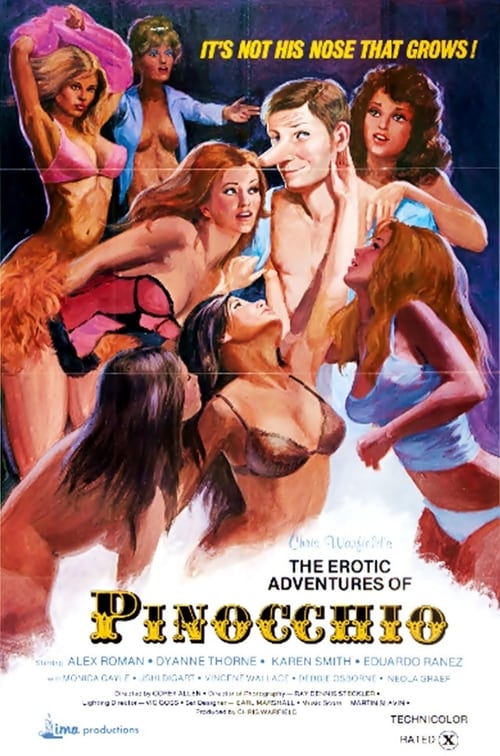
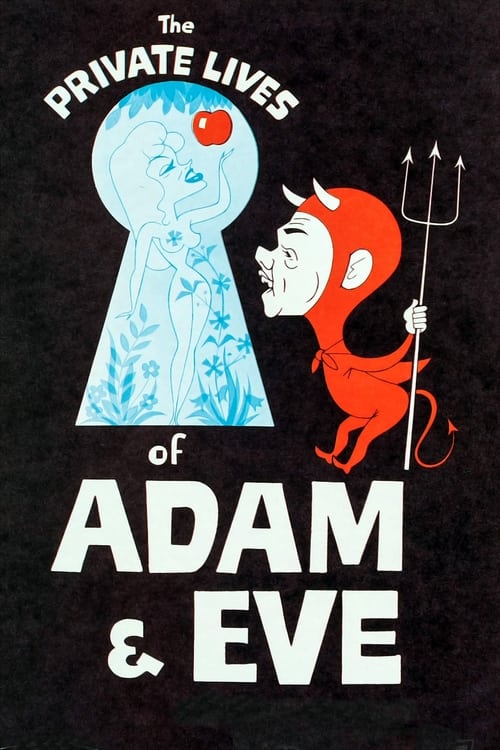
Pinocchio (1971) serves as a subversive twist on classical folklore rather than a study in diverse identities. It successfully deconstructs gender roles by placing a female protagonist at the forefront, driven by desire and ability to act. However, the film remains constrained by a lack of racial diversity and explicit LGBTQ+ representation. While it effectively critiques traditional moral frameworks through a lens of moral relativism, it does not extend this critique to broader social or identity-based categories. Ultimately, the film prioritizes the disruption of fairy tale clichés over inclusive representation.
Category Breakdown
The film emphasizes heterosexual relationships and the objectification of male bodies. It does not include explicit queer romantic storylines or non-binary gender identities.
The story challenges traditional gender roles by portraying Geppeta, a young woman, as the central character. This shift highlights female desire and dismantles the typical male hero stereotype.
There is no indication of a diverse cast or non-Anglo-Saxon actors. The film adheres to a conventional Western comedic format without intentionally mixing racial backgrounds.
The film rejects traditional Christian morals in favor of a secular hedonistic outlook. It employs a bawdy burlesque style to criticize established social institutions.
The film does not provide any information or visible representation regarding physical or neurodivergent disabilities.
Present on Screen
Limited or Absent
Official Synopsis
A bawdy burlesque version of the famous fairy tale, Geppeta is a frustrated and nubile young virgin. She carves Pinocchio as a gorgeous young hunk. Geppeta's fairy godmother magically transforms the young stud into a living man, who is quickly brought to work in the local whorehouse as a prize stud and exhibitionist.
1994
1988
1979
1970
1957
1960

2000
1964
No reviews yet. Be the first to share your thoughts on this movie!
Use the rating form above to leave a star rating and optional review.