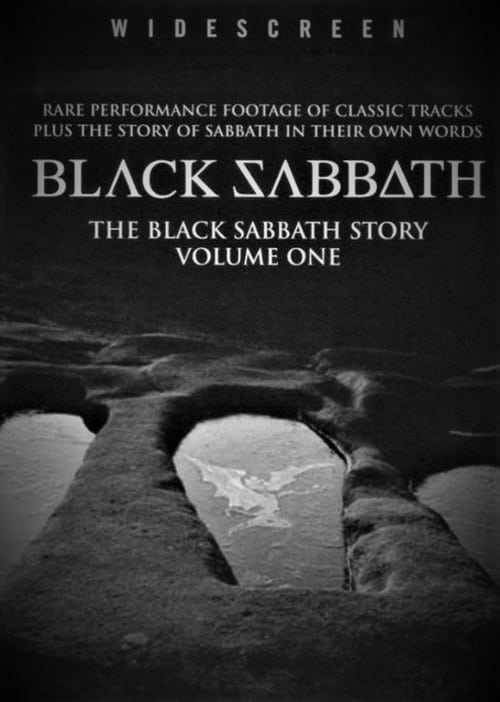
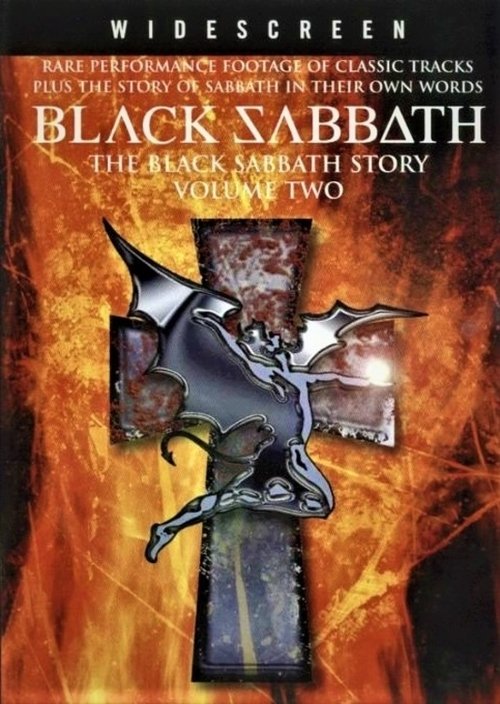
Black Sabbath: The Black Sabbath Story, Volume One
1992
No user ratings available yet
Representation score: 1.3 out of 10
Representation Score
Limited
2004
Director
Matthew Amos
Runtime
90 minutes
Average Rating
No ratings yetNew Showbiz Analysis
This documentary serves as a specialized archival work focused on the historical preservation of Iron Maiden's early years. It prioritizes the musical timeline and the professional milestones of the band over social commentary or diverse perspectives. The film reflects the demographic and social realities of the heavy metal subculture during its formative years. Since it aims for period accuracy within a specific niche, it does not intentionally challenge traditional social hierarchies. Ultimately, the production functions as a window into a specific subcultural movement rather than a tool for diverse representation.
Category Breakdown
The documentary focuses on the biographical and musical evolution of a heavy metal band. It does not include any explicit stories or narratives centered around LGBTQ+ identities.
The film centers on the male-dominated London music scene of the 1970s and 80s. It highlights the professional journeys of male musicians without giving significant roles to women.
The documentary documents a specific working-class, predominantly Anglo-Saxon musical subculture in London's East End. It does not feature diverse casting or intentional racial blending.
The film celebrates a musical tradition that contrasts with mainstream pop culture. It operates as a traditional biographical retrospective without serving as a vehicle for social ideology.
There is no mention of characters or subjects with visible or invisible disabilities in the documentary.
Present on Screen
Limited or Absent
Official Synopsis
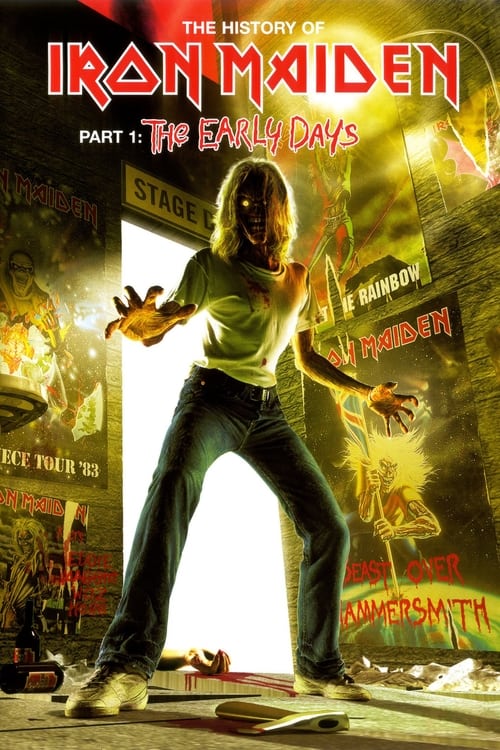
First part of the documentary series, The History Of Iron Maiden, featuring an exhaustive, thoroughly complete history of the early years of Iron Maiden, from their humble beginnings in London's East End in 1975 through their triumphant Piece Of Mind album and tour in 1983. The set features a large collection of rare videos and concert footage, as well as interviews with former members such as Paul Di'Anno, Clive Burr, Dennis Stratton, Dave Sullivan, Terry Rance, Kent Ewing, Doug Sampson, Ron Matthews, Terry Wapram and Bob Sawyer.
1992
2001
2003
2002

2008
2012
1992
2016
No reviews yet. Be the first to share your thoughts on this movie!
Use the rating form above to leave a star rating and optional review.