The Desert Rats
1953
No user ratings available yet
Representation score: 0.3 out of 10
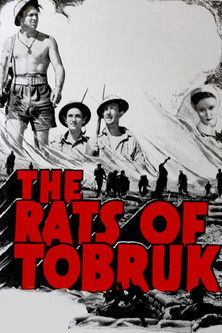
Representation Score
Minimal
1944
Director
Charles Chauvel
Runtime
96 minutes
Average Rating
No ratings yetNew Showbiz Analysis
The Rats of Tobruk is a product of its 1944 wartime context, designed to boost national morale through patriotic storytelling. Its narrative structure prioritizes military cohesion and traditional social hierarchies over progressive representation. Since the film aims to document the Australian military experience through a nationalist lens, it reinforces established gender, racial, and cultural norms. The focus remains on a singular national identity and the importance of military discipline. As a result, the film lacks diversity by modern standards, as it does not attempt to challenge the social constraints of its era or include underrepresented identities.
Category Breakdown
The film adheres to a strictly heterosexual framework. It emphasizes male camaraderie within a mid-century military setting, without depicting any non-traditional gender identities or same-sex relationships.
Male soldiers dominate the narrative, while female characters are confined to traditional supporting roles such as nurses or romantic interests, reinforcing conventional gender hierarchies.
The cast reflects the homogenous makeup of the 1940s Australian military. Despite being set in North Africa, the story centers on the white Australian experience without incorporating diverse casting.
This wartime nationalist film upholds traditional Western institutions and patriotism. It presents a binary struggle between Allied defense and Axis aggression, emphasizing values of duty and national unity.
Characters are defined by their military utility and physical endurance. There is no significant focus on neurodivergence or physical disabilities, and no characters with disabilities play a key role in the plot.
Present on Screen
Limited or Absent
Official Synopsis
Three friends enlist in the Australian Army and serve in North Africa, holding the city of Tobruk against Rommel's forces.
1953
1943
1971

1930
1943
1939
1969
1939
No reviews yet. Be the first to share your thoughts on this movie!
Use the rating form above to leave a star rating and optional review.