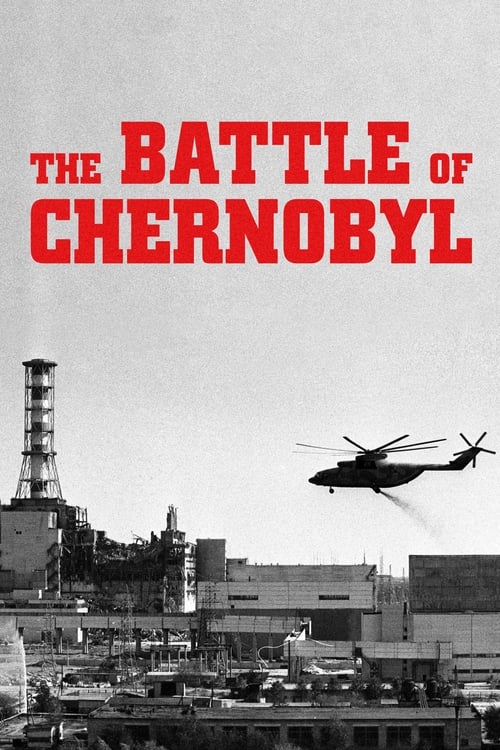
The Battle of Chernobyl
2007
No user ratings available yet
Representation score: 5.3 out of 10

Representation Score
Fair
2021
Director
Thibault Férié
Runtime
55 minutes
Average Rating
No ratings yetNew Showbiz Analysis
Chernobyl: The Last Battle of the USSR functions primarily as a geopolitical autopsy. It examines the nuclear disaster as a mechanism for dismantling a massive, centralized political institution rather than a human-interest story. The film's strength lies in its cultural critique, challenging the stability of 20th-century institutional structures. However, it lacks explicit evidence of storytelling that reflects multiple aspects of identity, such as specific racial, gendered, or LGBTQ+ arcs. Ultimately, the documentary prioritizes systemic and state-level analysis over individual identity politics, resulting in a narrative that is historically significant but socially narrow.
Category Breakdown
The film focuses on large-scale historical changes and geopolitical outcomes. It does not address LGBTQ+ characters or challenge assumptions about straight relationships.
The story centers on the Soviet Union's institutional response to radiation. This framework highlights state-level actions and technical hierarchies rather than individual gendered experiences.
Set within the Soviet Union, the film examines superpower dynamics. It prioritizes state actors and global geopolitics over a detailed look at multi-ethnic diversity.
The film deconstructs Western-centric historical narratives by framing the disaster as a catalyst for superpower collapse. It highlights the fragility of centralized political institutions.
There is no information available to evaluate the portrayal of physical or neurodivergent disabilities within this documentary.
Present on Screen
Limited or Absent
Official Synopsis
Three decades after the nuclear explosion, almost everything has been said about this ecological and sanitary disaster that made Pripiat a part of History. How did the greatest industrial disaster change the course of History, disrupt global geopolitics and, directly or indirectly, redistribute the balances and power relations of the twentieth century? The world will never be the same again. By retracing the incredible battle waged by the Soviet Union against radiation, this film proposes to retrace and enlighten an extraordinary story, while exploring the historical stakes in the medium and long-term…
2007
2023
2021
1984
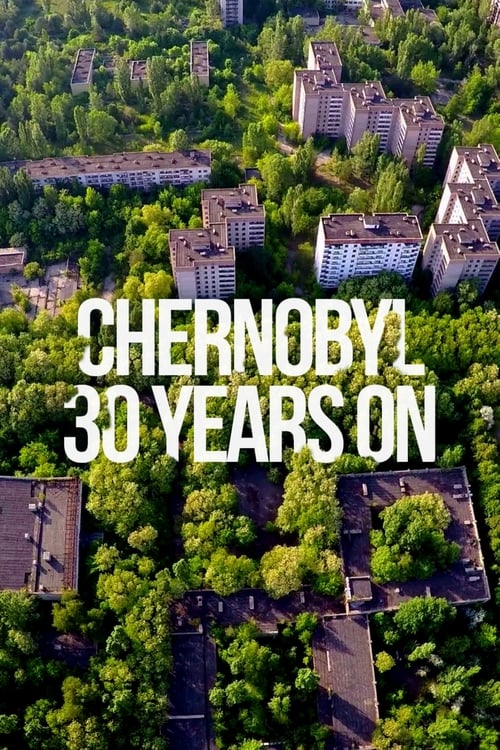
2015
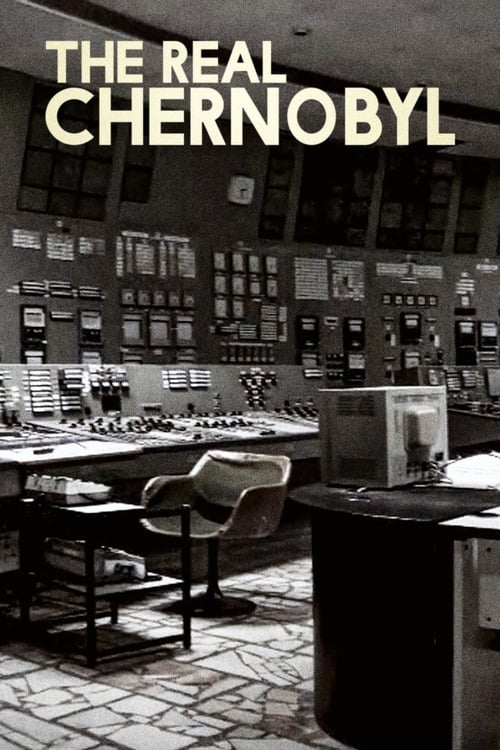
2019

2022
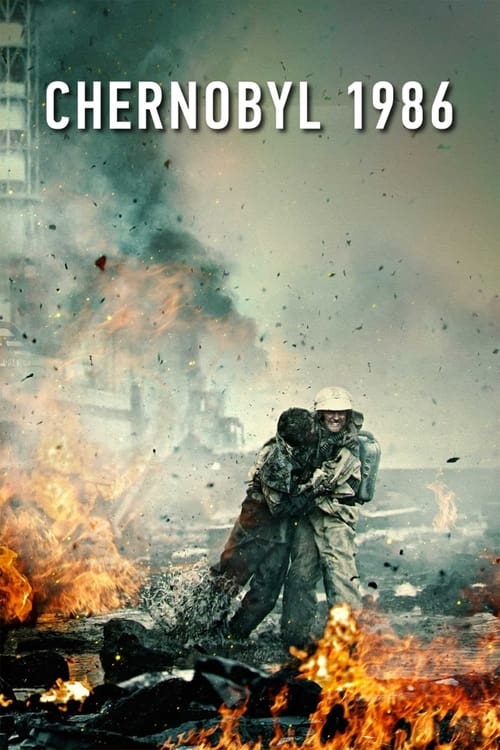
2021
No reviews yet. Be the first to share your thoughts on this movie!
Use the rating form above to leave a star rating and optional review.