Seance on a Wet Afternoon
1964
No user ratings available yet
Representation score: 4.3 out of 10
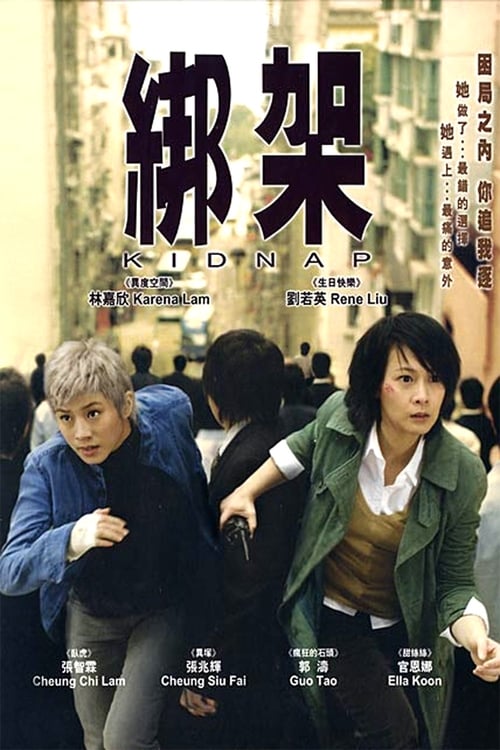
Representation Score
Good
2007
Director
Lo Chi-Leung
Runtime
101 minutes
Average Rating
No ratings yetNew Showbiz Analysis
Kidnap distinguishes itself by replacing traditional masculine power dynamics with a sophisticated intellectual conflict between two women. The film moves away from binary archetypes, opting for a complex, situational ethical framework driven by necessity. While the film excels in subverting gendered roles, it remains limited by a lack of multi-ethnic or LGBTQ+ representation. The narrative operates within a largely homogeneous, straight-centered framework typical of its regional production context.
Category Breakdown
The film lacks explicit LGBTQ+ characters or diverse identities. The narrative focuses almost entirely on the domestic and professional tensions of the female leads within a traditional framework.
The story disrupts crime genre hierarchies by centering a battle of wits between a female mastermind and a female detective. Both leads possess significant control and drive the plot through intellect.
As a Hong Kong production, the cast is largely homogeneous and culturally specific. It functions within its regional context without seeking to diversify the ethnic landscape.
The film explores moral relativism and the breakdown of traditional institutions. It highlights the complexities of modern family units, specifically through divorce and the burdens of caregiving.
Chronic illness serves as a primary narrative driver and catalyst for the plot. The portrayal focuses on systemic and financial pressures rather than using the condition for mockery.
Present on Screen
Limited or Absent
Official Synopsis
Three years ago, drama teacher Lam Hiu Yeung (Karena Lam) lost her younger brother in a kidnapping case, headed by female inspector Ho Yuen Chun (Rene Liu). Three years later, she is now on the verge of another great loss: her husband is in the late stages of cancer, and options are running out. To take him overseas for medical treatment, she needs money, and a lot of it. Using what she learned from her brother's tragic incident, she calmly masterminds the kidnapping of a tycoon's son, a case that again falls into the laps of workaholic detective and divorced mother Yuen Chun. These two strong-minded women square off in a high-stakes battle of wits, but plans and composure melt away on both sides when they realize that Hiu Yeung has nabbed the wrong kid - Yuen Chun's son.
1964
1993

2000

2008

2026

2002

2013
2008
No reviews yet. Be the first to share your thoughts on this movie!
Use the rating form above to leave a star rating and optional review.