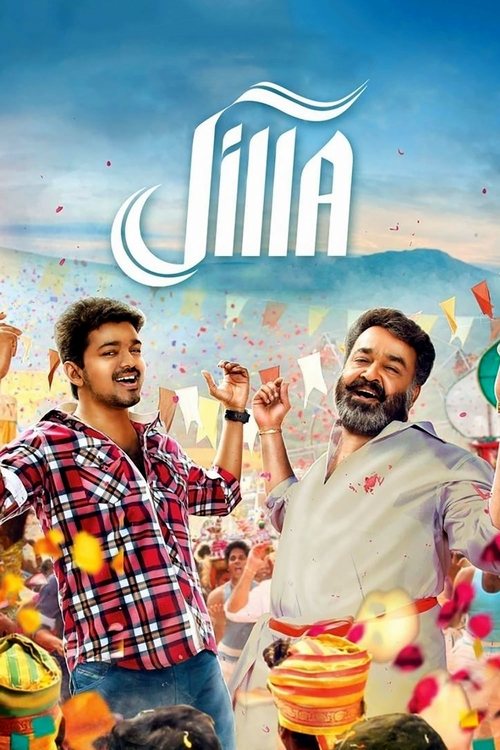
Jilla
2014
No user ratings available yet
Diversity score: 3.5 out of 10

2003
Director
Teja
Runtime
185 minutes
Average Rating
No ratings yetSynopsis
A young man is guided by his mother in a methodical manner to avenge his father against the perpetrators who falsely accused and killed him.
Overall Score
Limited
Category Breakdown
LGBTQ+ Representation
The film lacks LGBTQ+ characters or narratives that challenge heteronormativity. It follows a traditional familial structure typical of mainstream commercial cinema from its era.
Gender Representation
A maternal figure provides strategic guidance, granting her significant intellectual agency. However, the plot remains driven by the male protagonist's pursuit of vengeance.
Racial & Ethnic Diversity
The production features a culturally homogeneous cast within a Telugu-language context. It serves as a standard representation of regional identity without imposing external cultural norms.
Religious & Cultural Diversity
The story focuses on justice and familial honor through a traditional moral framework. It does not appear to engage in explicit critiques of Western institutions.
Disability Representation
There is no documented evidence regarding the portrayal of physical or neurodivergent disabilities within the film.
Strengths
Areas for Improvement
AI Analysis
Nijam is a traditional crime drama that relies heavily on established genre tropes. While it centers on a quest for vengeance, it offers a slight subversion of gender roles by positioning a mother as a strategic guide rather than a passive observer. The film operates within a culturally homogeneous framework, focusing on regional identity and familial honor. It lacks representation for LGBTQ+ identities and does not feature characters with visible disabilities. Ultimately, the film's adherence to patriarchal lineage and traditional moral structures limits its progressive impact, making it a standard example of early 2000s commercial cinema.
2014
1991

1972
1982

2015
1998

2013

2012

2008

2010

2011

1995
No reviews yet. Be the first to share your thoughts on this movie!
Use the rating form above to leave a star rating and optional review.