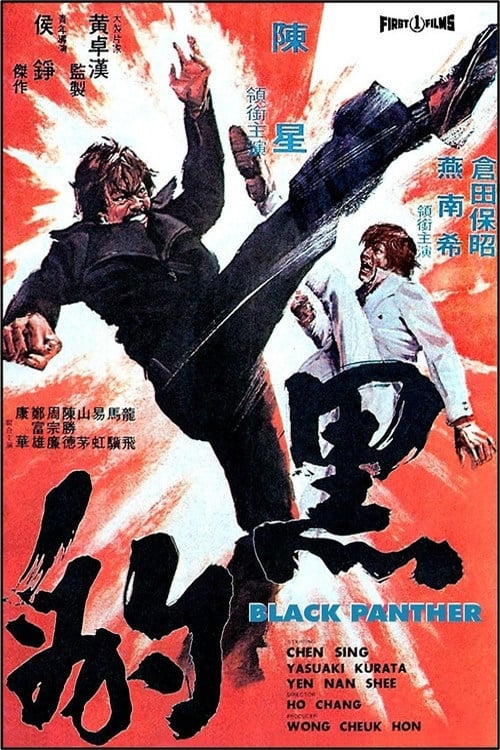
Black Panther
1973
No user ratings available yet
Representation score: 2.8 out of 10

Representation Score
Limited
1972
NRDirector
John Law Ma
Runtime
84 minutes
Average Rating
No ratings yetNew Showbiz Analysis
Black List operates within the standard parameters of 1970s action cinema, focusing on a straightforward plot of vengeance and brotherhood. The story prioritizes a linear narrative over disrupting social or identity-based hierarchies. The reliance on traditional masculine archetypes limits the visibility of other identities and perspectives. While the production context suggests an East Asian origin, the lack of specific casting details makes it difficult to assess the film's engagement with broader diversity issues.
Category Breakdown
The story revolves around a fraternal bond and a quest for revenge, without explicitly mentioning queer relationships or non-cisgender identities.
The central conflict is driven by two brothers, emphasizing traditional masculine roles. Male characters seem to have the primary ability to act in the story, following typical action-genre conventions.
The title and director suggest an East Asian production context. However, without specific casting details, it's hard to assess the diversity and non-Western representation in the cast.
The plot uses a classic 'wrongly accused' cliché. It's unclear whether the film critiques systemic corruption or adheres to a traditional morality play format.
There is no information available regarding the inclusion of characters with physical or neurodivergent disabilities.
Present on Screen
Limited or Absent
Official Synopsis
Two brothers, one wrongly accused of a crime, go on a mission of vengeance to find the men who framed him.
1973
1978
1991
1967
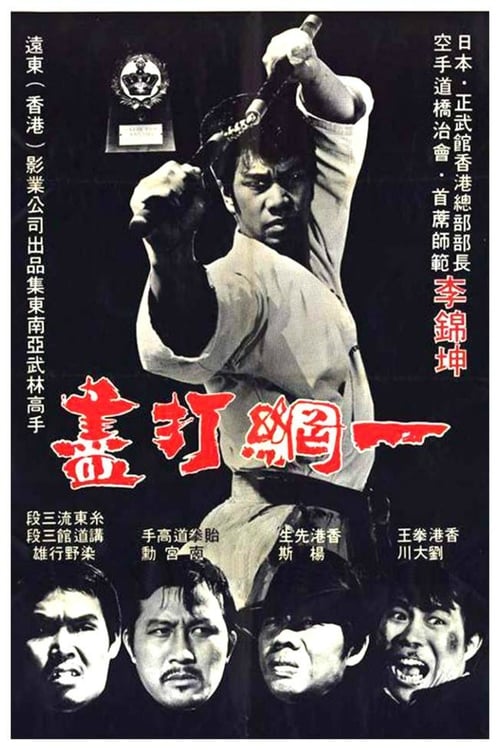
1974
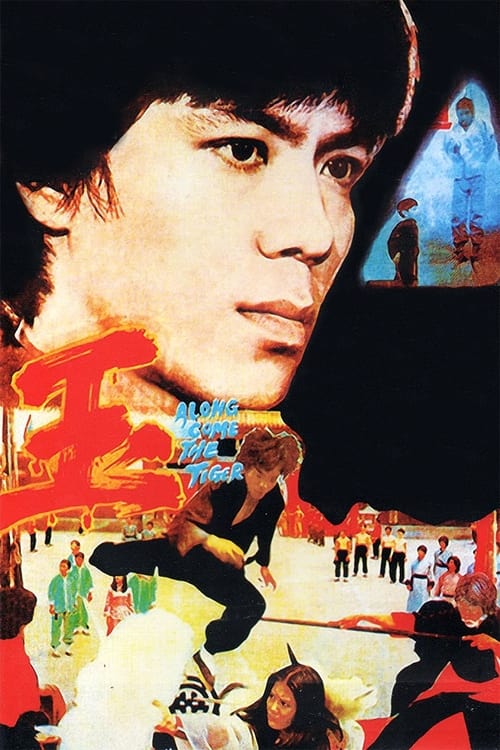
1977
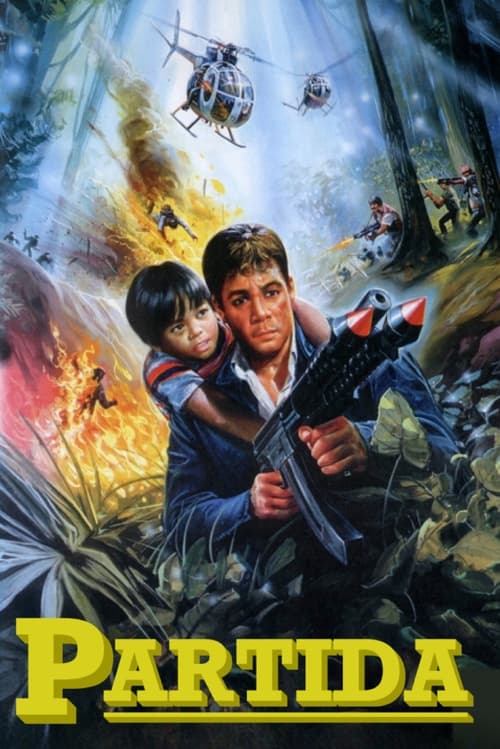
1985
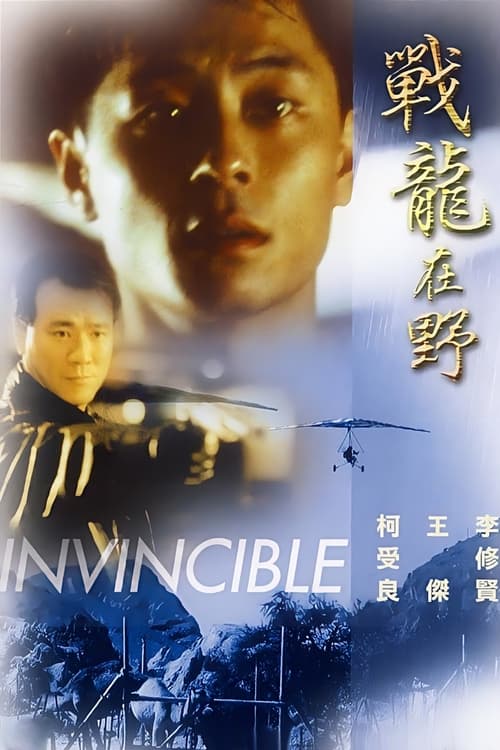
1992
No reviews yet. Be the first to share your thoughts on this movie!
Use the rating form above to leave a star rating and optional review.