
Pleasure or Pain
2013
No user ratings available yet
Representation score: 6.3 out of 10
Representation Score
Good
1988
Director
Akio Jissoji
Runtime
96 minutes
Average Rating
No ratings yetNew Showbiz Analysis
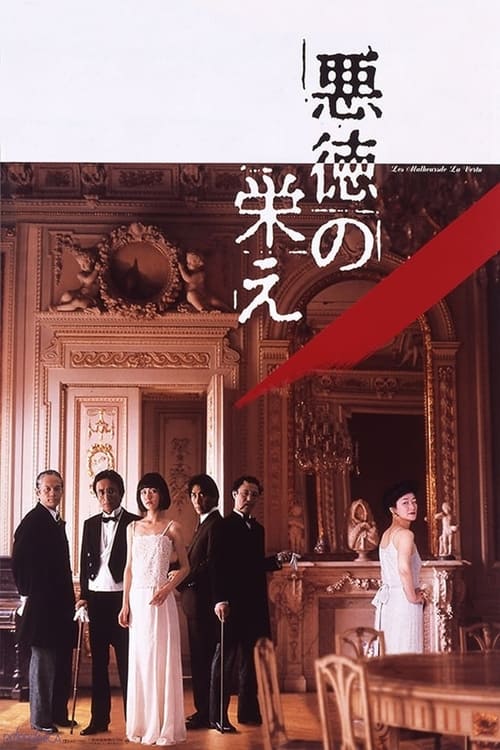
Akio Jissoji's film is a sophisticated critique of social and moral stability. It uses a framework of decadence to challenge the sanctity of the family unit and class distinctions. By focusing on characters from the margins of society, the film disrupts conventional moral order. The narrative effectively deconstructs both Western and Eastern hierarchies, prioritizing the exploration of identity and power over traditional storytelling formulas. However, the film's concentration on a specific historical and geographic setting limits its exploration of racial and ethnic diversity. The film's focus on class and moral transgression leaves less room for exploring multi-layered identities.
Category Breakdown
The film examines desires and sexualities that go beyond traditional domestic norms using the philosophies of Marquis de Sade to critique rigid social rules and assumptions about straight relationships.
Gender roles are challenged through themes of obsession and voyeurism. The nobleman's wife is portrayed as a volatile force, defying the typical image of a passive, domestic woman.
Set in 1920s Japan, the cast reflects the historical setting with an ethnically uniform group of actors. The film focuses on internal class divisions within Japanese society.
The film blends Western literary influences with a Japanese context to create a unique moral framework. It questions traditional institutions like marriage and aristocracy, showing them as sites of decline.
There is no notable depiction of physical or neurodivergent disabilities in this work.
Present on Screen
Limited or Absent
Official Synopsis
A decadent count in 1920′s Japan becomes obsessed with the life and works of the Marquis de Sade. He creates a theatre to show plays adapted from the notorious writer’s novels and recruits thieves, prostitutes and low lives to act out his fantasies on stage for the delectation of his rich, jaded friends. In search of new sensations the nobleman orders one of the actors, on pain of death, to make love to the nobleman’s wife while he watches. Unfortunately, this incursion of real life into his fantasy world will have dire consequences for the count and his divinely decadent coterie.
2013
1976
1973

1986

1996

2015

2001
2000
No reviews yet. Be the first to share your thoughts on this movie!
Use the rating form above to leave a star rating and optional review.