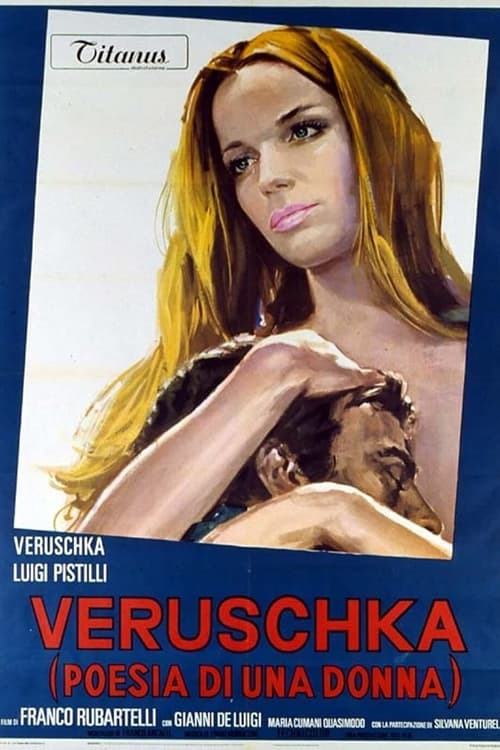
Veruschka - Poetry of a Woman
1971
No user ratings available yet
Representation score: 2.7 out of 10
Representation Score
Fair
2000
Director
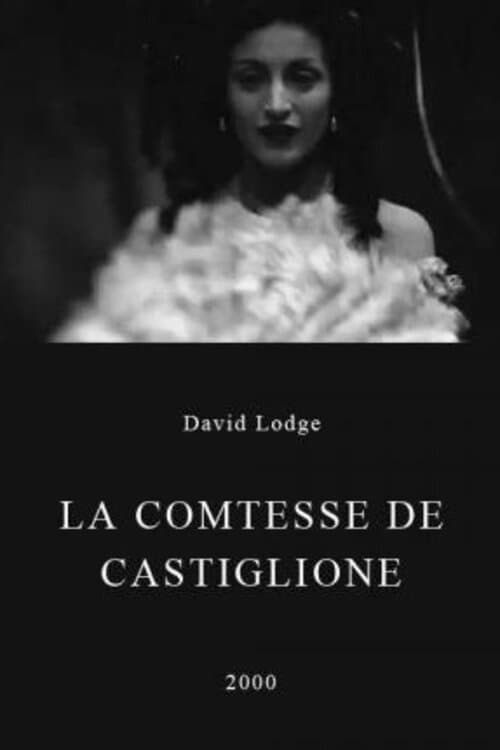
David Lodge
Runtime
14 minutes
Average Rating
No ratings yetNew Showbiz Analysis
The film successfully transforms a historical subject into an active director of her own legacy, reclaiming women's ability to drive the story and disrupting the passive role often assigned to women in period dramas. However, the narrative remains deeply embedded in the aesthetics of the European ruling elite, limiting its broader multi-layered reach. Ultimately, the film offers a unique perspective on self-image but stays within the confines of traditional Western historical settings.
Category Breakdown
The film includes a courtesan and a Symbolist poet who embody non-traditional social roles, but it does not explicitly depict queer identity or narratives that challenge the assumption that everyone is straight or cisgender.
The Countess is portrayed as a powerful protagonist who actively shapes her own image, challenging traditional hierarchies and positioning herself as the architect of her own mythos.
The narrative is set in the context of 19th-century European aristocracy and focuses on Western European ruling classes without offering any evidence of diverse casting or non-Anglo-Saxon perspectives.
The film uses surrealism to explore identity construction through art, departing from linear historical moralism but remaining centered within established Western historical structures.
There is no mention of characters with visible or invisible disabilities in the narrative.
Present on Screen
Limited or Absent
Official Synopsis
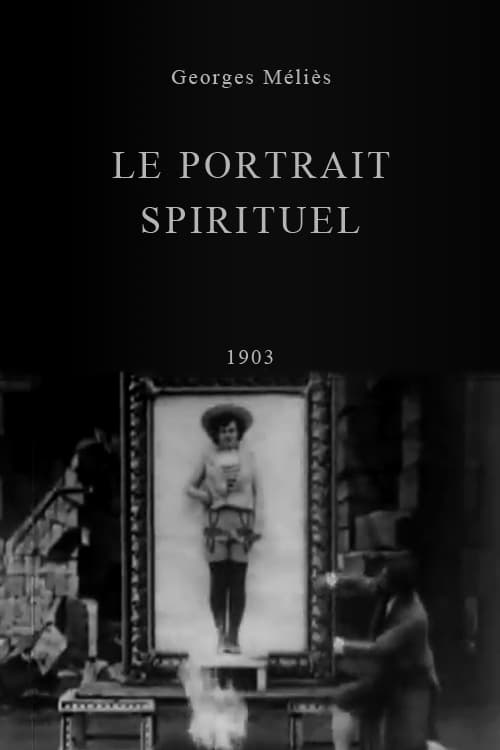
A surrealistic nightmare inspired by an 1855 photographic portrait, in which the magic tricks of early cinema are used to eerie effect. Creepy and beautiful at the same time, it does not share platitudinous ways to frighten the audience with the vast majority of modern horrors. Countess di Castiglione is a really existed Italian courtesan famous for her beauty and wide acquaintanceship among the ruling elite of those times. She directed Pierre-Louis Pierson to help her create 700 different photographs in which she re-created the signature moments of her life for the camera. Robert de Montesquiou, a Symbolist poet, dandy, and avid art collector, was fascinated by the Countess di Castiglione. He spent thirteen years writing a biography, La Divine Comtesse, which appeared in 1913. After her death, he collected 433 of her photographs, all of which entered the collection of the Metropolitan Museum of Art.
1971

2011
1899
2016

1924
1903
1978

1988
No reviews yet. Be the first to share your thoughts on this movie!
Use the rating form above to leave a star rating and optional review.