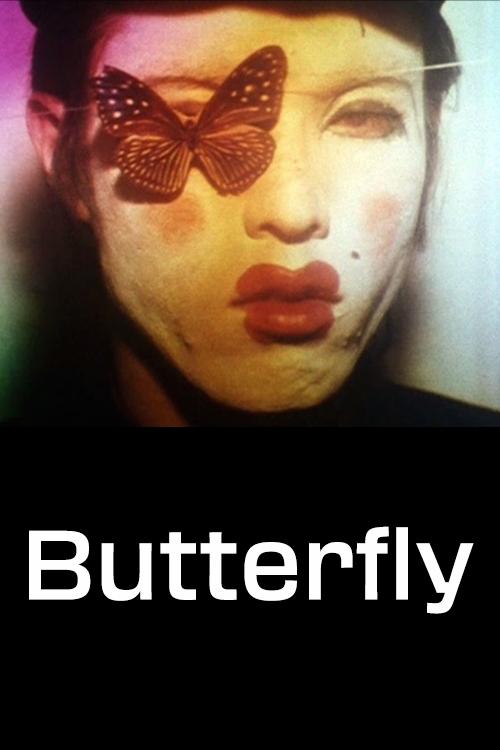
Butterfly
1974
No user ratings available yet
Representation score: 8.7 out of 10
Representation Score
Excellent
1978
Director
Shūji Terayama
Runtime
30 minutes
Average Rating
No ratings yetNew Showbiz Analysis
Terayama’s film is a radical exploration of aesthetic and structural disruption. It focuses on breaking storytelling norms rather than traditional demographic inclusion. By using surrealism, it bypasses conventional social categories. The film effectively challenges Western literary and moral traditions. It treats words and narratives as fluid concepts, creating space for postmodern rebellion. However, the film lacks traditional character-driven stories that focus on specific disabilities or racial diversity. Its abstract style minimizes these traditional representations.
Category Breakdown
The film challenges traditional assumptions about sexuality and gender by exploring themes of breaking social norms. It presents the human body in a way that doesn't follow typical gender roles, promoting a more flexible view of identity.
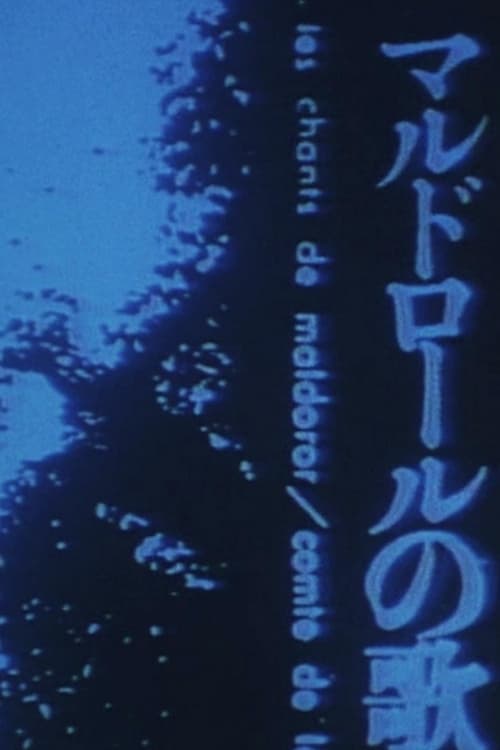
Terayama's film breaks down traditional gender roles by avoiding typical stereotypes of masculinity and femininity. The use of surreal imagery and feverish video processing challenges the idea of gender as a fixed identity.
The film exists in a dream-like world that doesn't rely on specific ethnic identifiers. Its surrealist approach mixes human figures and objects in a way that disrupts the usual ethnic coding found in realistic portraits.
The work deeply challenges Western literary and moral traditions. It criticizes organized, rationalist thinking by favoring a fluid, postmodern understanding of reality and artistic rebellion.
There is little evidence of focused portrayal of disability. While fragmented imagery may hint at issues related to sensory processing or bodily differences, these elements do not center around specific characters or their experiences.
Present on Screen
Limited or Absent
Official Synopsis
A “reading film” of delirious image and text, Les chants de Maldoror takes its title and inspiration from Comte de Lautréamont’s 1869 proto-Surrealist poetic novel which, for instance, describes beauty as the chance encounter of a sewing machine and an umbrella on an operating table. In the novel’s six cantos, a young misanthrope indulges in depraved and destructive acts. Unexpected encounters abound, with turtles and birds joining Terayama’s regular cast of snails and dogs to wander over books and bare torsos. Feverish video processing posterizes, inverts and overlays images that are further colored by sound—pushing the limits of his literary adaptation. Terayama wrote that the only tombstone he wanted was his words, but, as Les chants de Maldoror demonstrates, words need not be confined to carved monuments or bound hardcopies.
1974

1960
2000
1932

1964

2019
1975
1973
No reviews yet. Be the first to share your thoughts on this movie!
Use the rating form above to leave a star rating and optional review.