
Shakti: The Power
2002
No user ratings available yet
Representation score: 5.3 out of 10
Representation Score
Fair
1998
Director
Pasupuleti Krishna Vamsi
Runtime
137 minutes
Average Rating
No ratings yetNew Showbiz Analysis
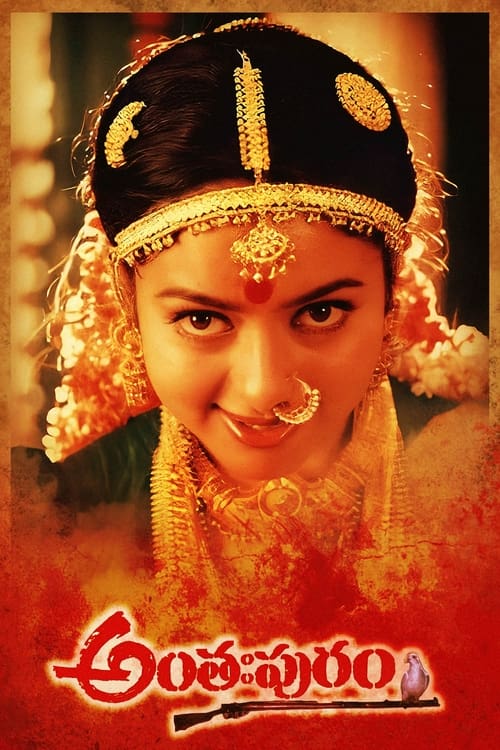
Anthahpuram is a sophisticated period drama set in a feudal society that examines the dynamics of systemic power. It places a female protagonist at the heart of a struggle against deeply rooted patriarchal structures, turning the home into a battleground rather than a sanctuary. While the film effectively challenges traditional gender and cultural hierarchies, it lacks representation for LGBTQ+ and neurodivergent individuals. The narrative remains firmly anchored in the traditional social structures of rural India. Ultimately, the film's strength lies in its progressive portrayal of individual empowerment against the backdrop of systemic constraints. It questions the authority of traditional social institutions through the protagonist's resistance.
Category Breakdown
The film does not include any LGBTQ+ characters or those with non-traditional gender identities. The social environment focuses solely on heterosexual relationships and traditional marriages.
The story centers around a female character's journey to gain significant influence and control over her life. It challenges traditional male authority by showing it as a tool of oppression and control.
This regional Telugu production features a cast that is culturally uniform. However, it provides a detailed look at internal social divisions and the impact of caste systems.
The film questions traditional institutions by depicting family and community leaders as suppressors of individual freedom. It explores the tension between the sanctity of tradition and personal rights.
There are no characters with visible or invisible disabilities playing key roles or serving as central plot devices in the narrative.
Present on Screen
Limited or Absent
Official Synopsis
When Bhanu and her husband Prakash unexpectedly return to India, Bhanu discovers the true nature of Prakash's family and finds herself stuck in a feudal and violent society.
2002
2019
1998
1995

2006
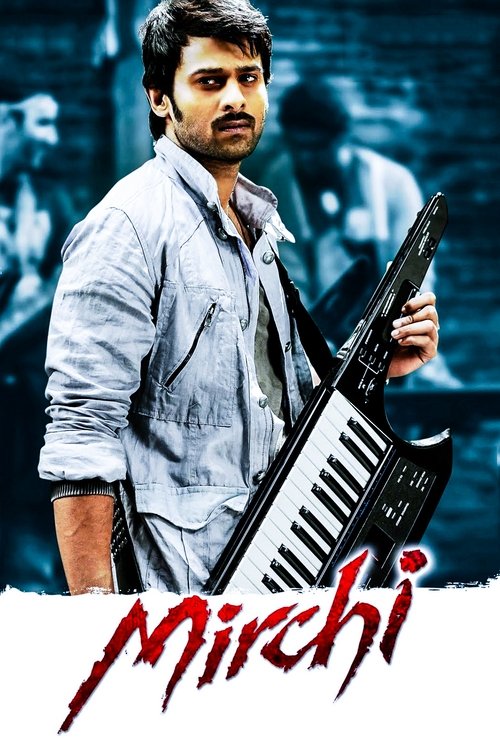
2013
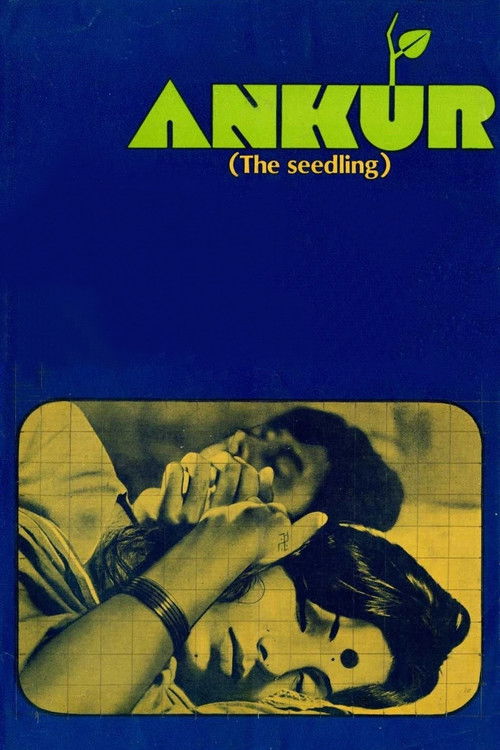
1974
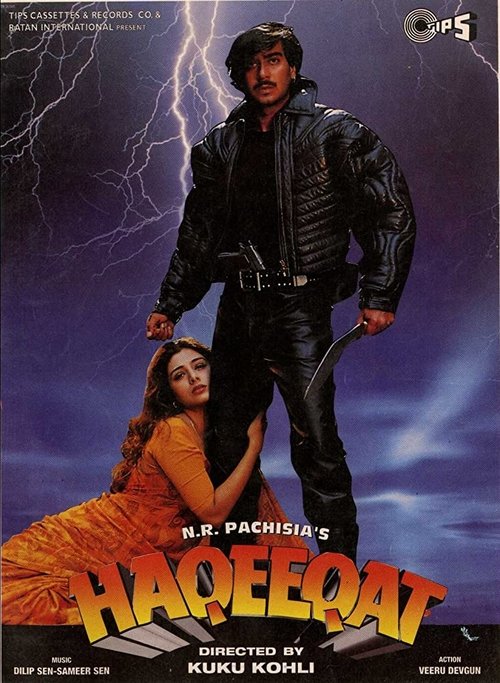
1995
No reviews yet. Be the first to share your thoughts on this movie!
Use the rating form above to leave a star rating and optional review.