Pitaah
2002
No user ratings available yet
Representation score: 1.4 out of 10
Representation Score
Limited
2006
Not RatedDirector
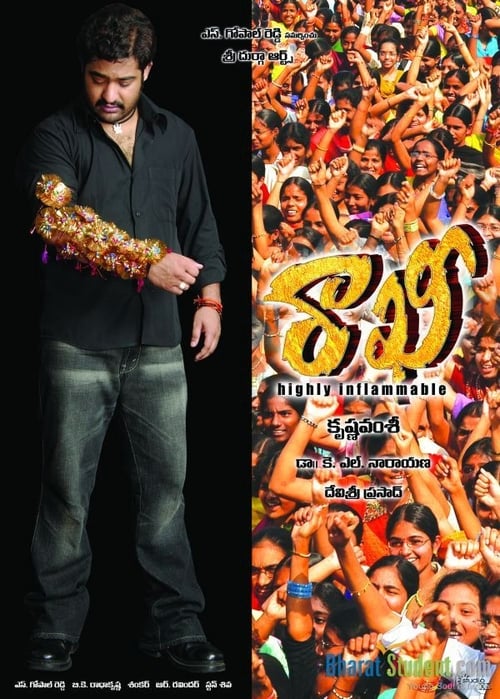
Pasupuleti Krishna Vamsi
Runtime
166 minutes
Average Rating
No ratings yetNew Showbiz Analysis
Rakhi serves as a transitional narrative that uses commercial clichés to condemn regressive social practices. By framing the protagonist's violence as a response to the lethal greed of the dowry system, the film disrupts the expectation of female passivity. While the film critiques systemic harm, it relies heavily on a male-driven vigilante arc. This limits female empowerment in resolving social injustices. The film excels in regional authenticity, focusing on specific South Indian social dynamics and cultural identities rather than globalized media standards.
Category Breakdown
The film follows traditional structures and does not depict any non-straight or non-cisgender identities or stories.
The story challenges traditional patriarchal norms by focusing on the defense of women's rights against dowry-related violence. However, the main character's actions are driven by a male protagonist's vigilantism.
The film features a predominantly South Indian cast, providing an authentic representation of the Telugu-speaking community and emphasizing regional identity.
The narrative criticizes the oppressive dowry system and familial greed, staying rooted in conventional social structures rather than secular ones.
There is no representation of physical or neurodivergent disabilities among the characters or in the plot.
Present on Screen
Limited or Absent
Official Synopsis
An ambitious and young man named Rama Krishna avenges his sister's death after her in-laws burn her alive due to their greed for dowry. Thereafter, he starts killing every man that harasses a woman.
2002
2017
2021
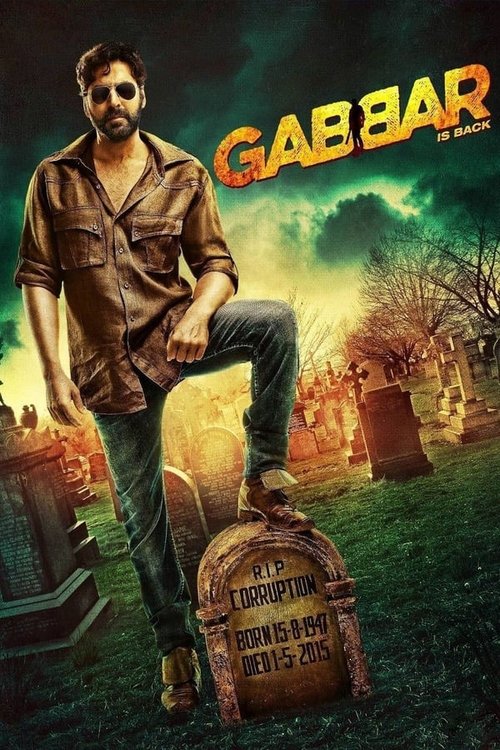
2015
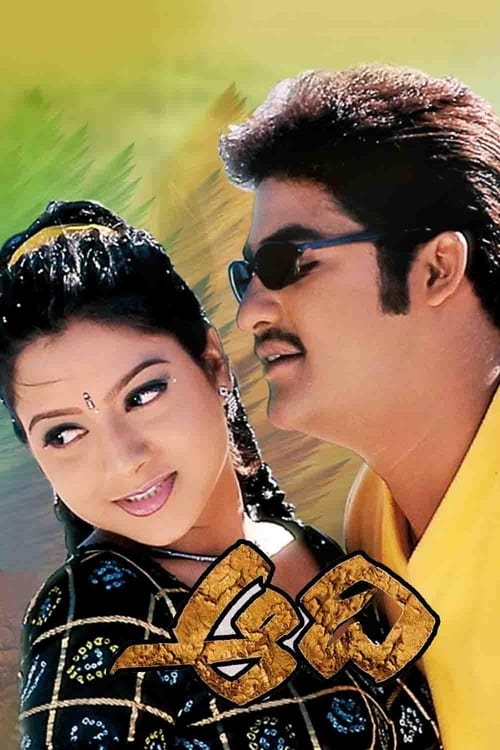
2002
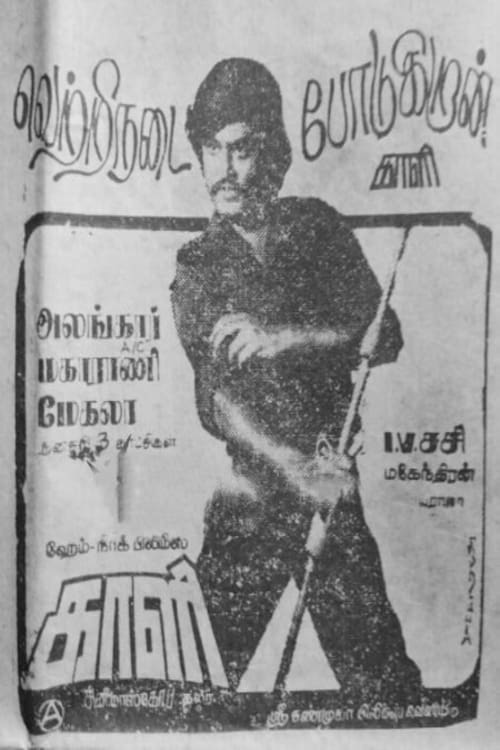
1980
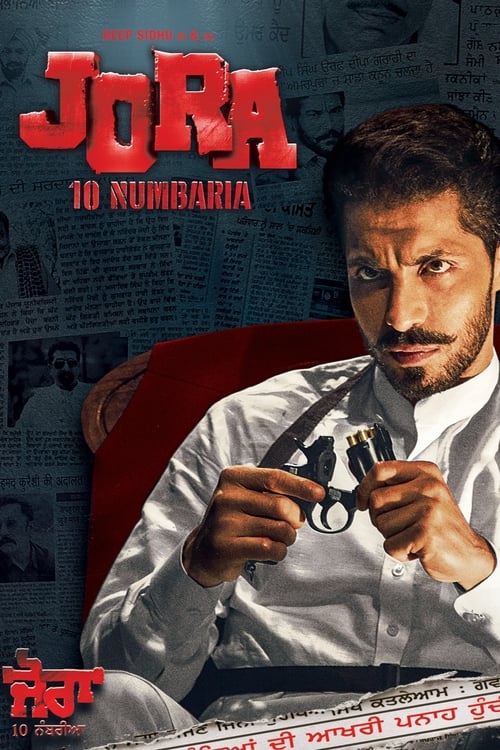
2017
2012
No reviews yet. Be the first to share your thoughts on this movie!
Use the rating form above to leave a star rating and optional review.