Andreas Hofer
2002
No user ratings available yet
Representation score: 0.6 out of 10
Representation Score
Limited
1999
Director
Sergiu Nicolaescu
Runtime
140 minutes
Average Rating
No ratings yetNew Showbiz Analysis
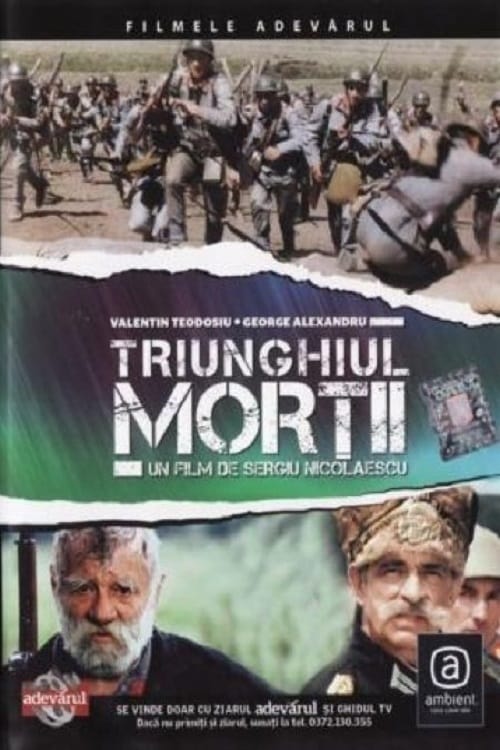
The Death Triangle is a traditional historical epic that emphasizes nationalistic sentiment and classic heroic clichés. It serves as a means of preserving history rather than deconstructing societal norms. The film reinforces the social hierarchies of the early 20th century. Its focus on military institutions and wartime duty leaves little room for perspectives that consider multiple aspects of identity. Ultimately, the work upholds national identity and the sanctity of the state through a conventional, masculine-centric lens.
Category Breakdown
The film does not feature any LGBTQ+ characters or narratives that question the assumption that everyone is straight or cisgender. It follows traditional gender roles and social norms typical of a period-specific war drama.
The story emphasizes masculine leadership and combat roles within the Romanian and German armies. Female characters likely play domestic or nursing roles without much influence over the plot.
The cast includes actors representing various European ethnicities of the 1916 Eastern Front. The story focuses on the geopolitical struggles and national identities of Western nations.
The film promotes patriotism and nationalism through the lens of military conflict. It upholds traditional values of duty and sacrifice rather than challenging institutional norms.
Physical injuries are used to evoke sympathy and highlight the horrors of war. There is no indication of neurodivergent representation or characters with disabilities having autonomy.
Present on Screen
Limited or Absent
Official Synopsis
The Romanian army faces the German army in the epic battles of Marasti, Marasesti and Oituz, marking a turning point in World War 1.
2002
2015
1977
2008
2012

2020
1990
2001
No reviews yet. Be the first to share your thoughts on this movie!
Use the rating form above to leave a star rating and optional review.