Break Through
2021
No user ratings available yet
Representation score: 1.9 out of 10
Representation Score
Fair
2015
Not RatedDirector
Soi Cheang
Runtime
120 minutes
Average Rating
No ratings yetNew Showbiz Analysis
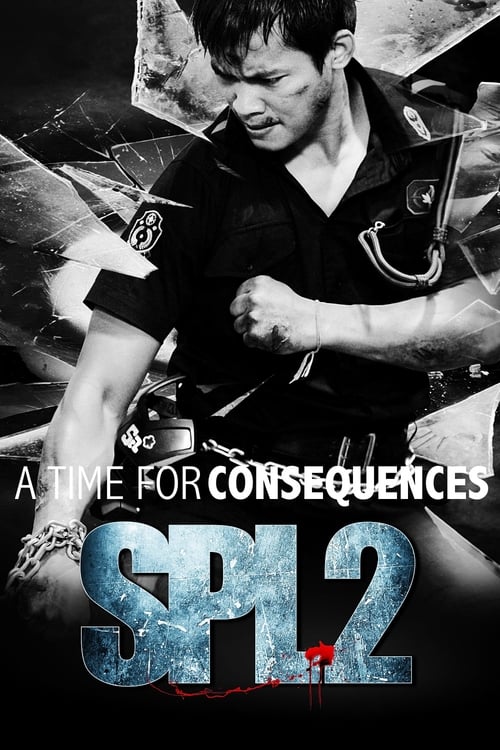
SPL 2: A Time for Consequences is a visceral genre piece that prioritizes kinetic action and systemic critique over broad demographic representation. The narrative centers on a hyper-masculine prison environment, limiting the presence of women and LGBTQ+ identities. While the film does not offer multi-layered diversity, it provides a sophisticated critique of institutional authority. It challenges the integrity of legal and correctional frameworks by presenting them as sites of profound corruption and moral ambiguity. Ultimately, the film's strength lies in its deconstruction of social hierarchies and the normalization of violence within corrupt systems, rather than in its portrayal of diverse identities.
Category Breakdown
The film focuses on a hyper-masculine environment where there is little room for queer narratives or non-straight identities. The prison setting restricts the inclusion of LGBTQ+ characters.
Women are mostly absent from the main storyline. The film emphasizes traditional masculine roles through a focus on physical dominance and violence.
The cast is primarily made up of East Asian actors, reflecting the local context of Hong Kong cinema. Diversity is shown more through socioeconomic differences than ethnic variety.
The story criticizes established authority by depicting prison officials and systemic structures as fundamentally corrupt. It presents a blurred line between law and crime, embracing moral relativism.
Physical trauma is used as a plot driver rather than a detailed exploration of disability. Characters have limited control over their circumstances outside the context of physical conflict.
Present on Screen
Limited or Absent
Official Synopsis
While undercover officer Kit is taken prisoner by the syndicate, he befriends his keeper and discovers an organ trafficking ring.
2021
2015

2014
2014
2014

2009

2010

2001
No reviews yet. Be the first to share your thoughts on this movie!
Use the rating form above to leave a star rating and optional review.