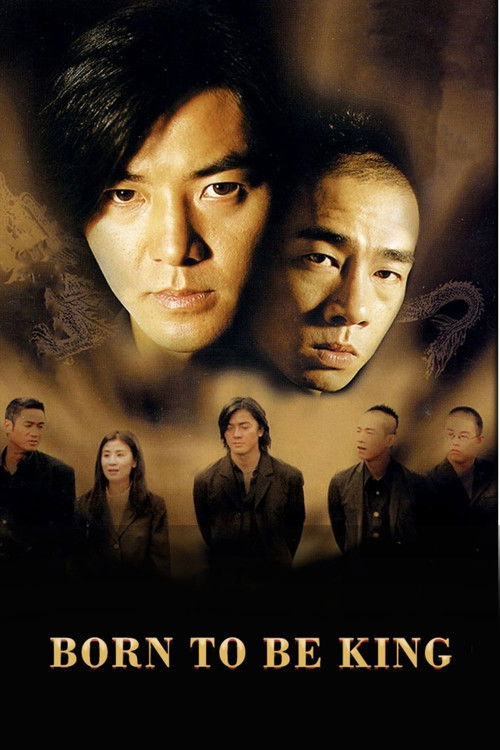
Born to Be King
2000
No user ratings available yet
Representation score: 4.1 out of 10
Representation Score
Limited
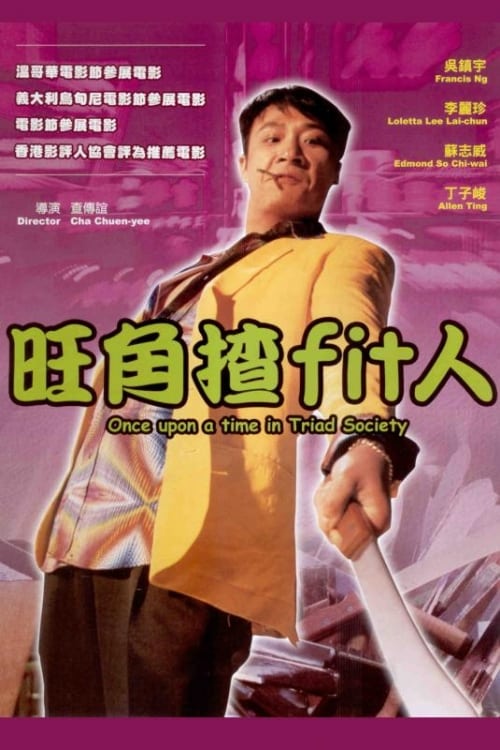
1996
Director
Cha Chuen-Yee
Runtime
95 minutes
Average Rating
No ratings yetNew Showbiz Analysis
The film primarily serves as a character study rooted in traditional crime genre clichés. It relies on a masculine framework of leadership and violence centered around a singular protagonist. While the narrative achieves depth through moral relativism and unreliable narration, it remains tethered to conventional social hierarchies. The storytelling focuses on localized ethnic identity rather than multi-layered complexity. Ultimately, the work lacks the intentionality required to represent diverse identities, focusing instead on the descent of a criminal leader.
Category Breakdown
The film does not include any explicit references to LGBTQ+ characters or non-straight relationships. The narrative focuses solely on the protagonist's personal history within a triad hierarchy.
The story centers on a male-dominated power structure led by a triad boss. Female characters do not play significant roles or challenge traditional gender hierarchies.
Set within Hong Kong, the film portrays a specific local triad culture. It does not depict a multicultural or color-blind casting model.
The film uses dual-layered storytelling to challenge singular moralities. By revealing a darker reality behind a sympathetic facade, it deconstructs the traditional hero archetype.
There is no evidence regarding the portrayal of physical or neurodivergent disabilities within the narrative.
Present on Screen
Limited or Absent
Official Synopsis
Brother Kwan (Francis Ng) is a triad boss gunned down outside his home and rushed to the hospital where he recounts his life story and how he became such a horrible person. And then, after he's gained our sympathy, he tells us the real story.
2000
1987
1997
1992
1996

2006

1998
1986
No reviews yet. Be the first to share your thoughts on this movie!
Use the rating form above to leave a star rating and optional review.