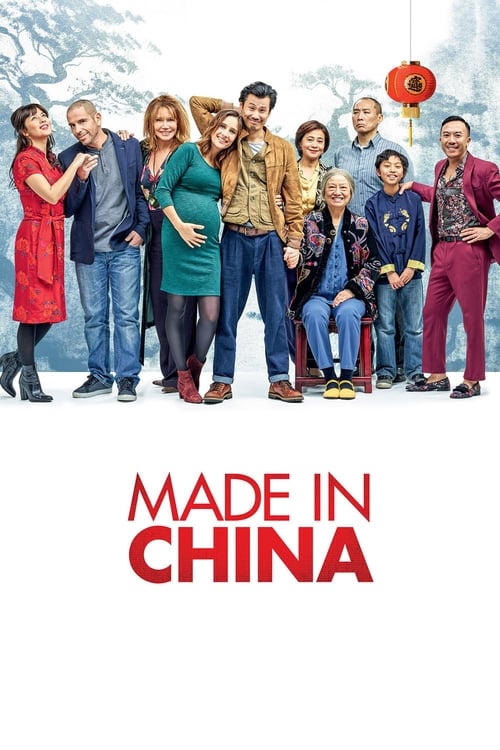
Made in China
2019
No user ratings available yet
Representation score: 4.1 out of 10

Representation Score
Excellent
2019
TV-14Director
Emily Ting
Runtime
95 minutes
Average Rating
No ratings yetNew Showbiz Analysis
Emily Ting’s debut film is a sophisticated exploration of the Asian-American experience. It succeeds by focusing on the lived experiences of individuals with dual cultural identities, moving beyond simplistic portrayals of Eastern or Western life. The film provides characters of color who play a significant role in driving the story within their cultural contexts, challenging traditional Western-centric narratives and offering a nuanced view of heritage. The film's greatest strength lies in its refusal to rely on cultural stereotypes. However, it remains somewhat limited in its scope of representation. While it excels in racial and gendered ability to act, it lacks explicit engagement with LGBTQ+ identities or disabilities, keeping those areas at a more neutral baseline.
Category Breakdown
The film doesn't have prominent LGBTQ+ storylines or central characters with diverse gender identities. It focuses on personal relationships without explicitly addressing queer issues or the assumption that everyone is straight or cisgender.
The film centers on a strong female lead who navigates professional and family life with emotional independence and ability to act. It avoids traditional submissive feminine roles.
The film highlights the Chinese diaspora through an Asian-American and Taiwanese cast. It avoids the 'white gaze' by presenting the blend of Western and Eastern heritage as a nuanced reality.
The story explores post-colonial themes and the tension between Western and Eastern cultural expectations. It portrays identity as a fluid, situational construct rather than a fixed entity.
The film does not depict visible or invisible disabilities prominently. The narrative focuses mainly on socioeconomic and cultural identity.
Present on Screen
Limited or Absent
Official Synopsis
When party girl Sasha Li blows through most of her trust fund, she is cut off by her father and forced to go back to China and work for the family toy business.
2019

2002
2019

1985
2008
2013
2007
2019
No reviews yet. Be the first to share your thoughts on this movie!
Use the rating form above to leave a star rating and optional review.