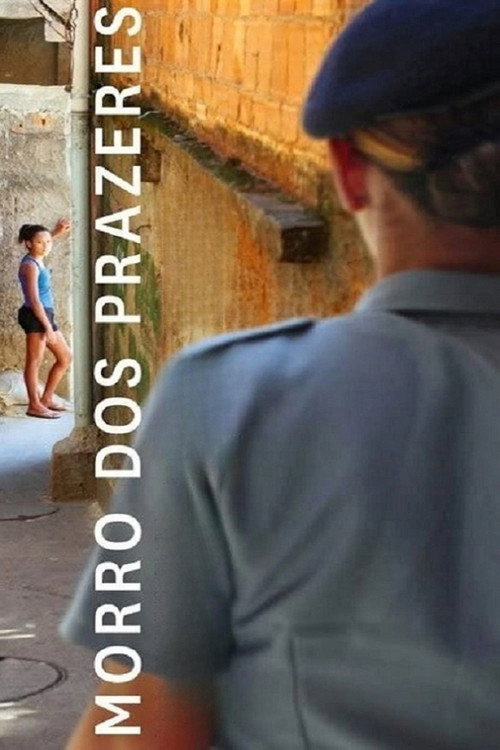
Hill of Pleasures
2013
No user ratings available yet
Representation score: 6.4 out of 10

Representation Score
Excellent
2018
Director
Natasha Neri, Lula Carvalho
Runtime
104 minutes
Average Rating
No ratings yetNew Showbiz Analysis
Auto de Resistência is a powerful documentary that shifts the focus from official state records to the everyday lives of underrepresented communities. It excels by centering Afro-Brazilian voices and dismantling the legitimacy of state-sanctioned violence. The film's strength lies in its multi-layered approach, linking race and socioeconomic status to systemic oppression. By focusing on the residents of Complexo do Alemão, it offers a sophisticated critique of institutional power structures. However, the documentary maintains a narrow thematic scope, offering limited engagement with LGBTQ+ identities or non-traditional gender expressions.
Category Breakdown
The film does not include explicit stories or scenes showing same-sex relationships or intimacy. The main focus is on racial and state-related conflicts, rather than issues related to sexual orientation.
Women are shown as strong and resilient figures in their communities, standing up against state violence in the favela. The narrative highlights their active roles and their ability to drive the story forward.
The documentary focuses on the lives and experiences of Afro-Brazilians in Complexo do Alemão. It examines how systemic racism is embedded in policing and legal systems.
The film provides a deep critique of state institutions through a post-colonial perspective. It portrays militarized police forces as tools of oppression, rather than protectors of order.
The film touches on the psychological trauma and mental health challenges faced by those exposed to ongoing violence. It avoids using these conditions merely as plot devices.
Present on Screen
Limited or Absent
Official Synopsis
A documentary about the Rio de Janeiro police killings praticed as so-called "self-defense acts". The film follows people who deal with those deaths in their daily lives, showing how Brazil's Federal Government deals with these cases, from the police investigations to the courtrooms.
2013
2002
2004
2003
2020

2017
2017

2015
No reviews yet. Be the first to share your thoughts on this movie!
Use the rating form above to leave a star rating and optional review.