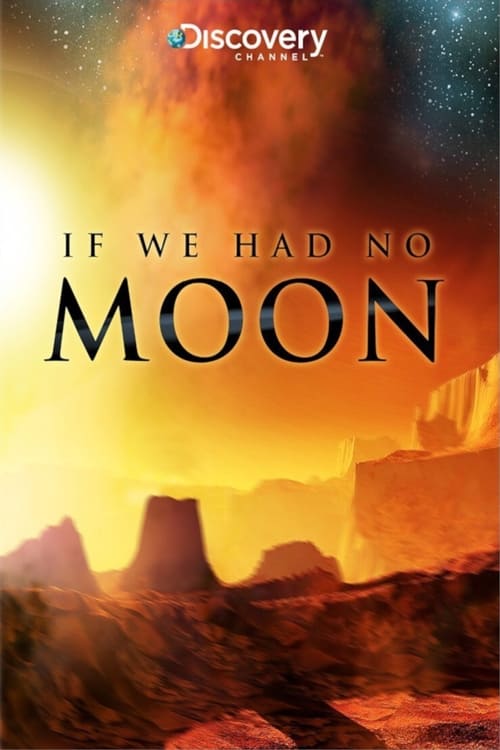
If We Had No Moon
1999
No user ratings available yet
Representation score: 0.6 out of 10
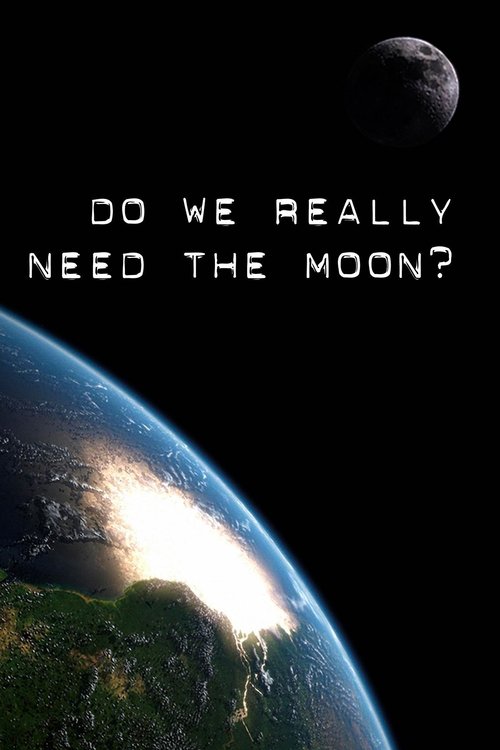
Representation Score
Fair
2011
Director
Tim Lambert
Average Rating
No ratings yetNew Showbiz Analysis
This documentary centers on planetary science and celestial mechanics, avoiding social narratives. Given its focus on astronomy, the film does not delve into interpersonal dynamics or social issues. However, it makes a conscious effort to diversify scientific authority by featuring Maggie Aderin-Pocock, which challenges traditional homogeneity in educational media. Ultimately, the film provides a more inclusive perspective on STEM disciplines, setting it apart from typical educational programming.
Category Breakdown
The documentary focuses on astronomical phenomena and does not explore LGBTQ+ identities or narratives involving non-straight relationships.
Maggie Aderin-Pocock serves as the main guide, challenging traditional gender roles in STEM fields. Her presence highlights female expertise in a discipline historically dominated by men.
The casting of Maggie Aderin-Pocock, a prominent Black scientist, adds diversity to the face of scientific authority. This departs from conventional, Western-centric academic portrayals.
The film sticks to a secular, scientific framework emphasizing empirical data. It does not delve into religious or mythological interpretations of the moon.
The documentary does not address disability, neurodivergence, or physical impairments as central themes or character elements.
Present on Screen
Limited or Absent
Official Synopsis
The moon is such a familiar presence in the sky that most of us take it for granted. But what if it wasn't where it is now? How would that affect life on earth?
1999

2008
2013
2021
2018

2007
2019
2009
No reviews yet. Be the first to share your thoughts on this movie!
Use the rating form above to leave a star rating and optional review.