Hubble's Cosmic Journey
2015
No user ratings available yet
Representation score: 4.6 out of 10
Representation Score
Fair
2020
TV-PGDirector
David Briggs
Runtime
84 minutes
Average Rating
No ratings yetNew Showbiz Analysis
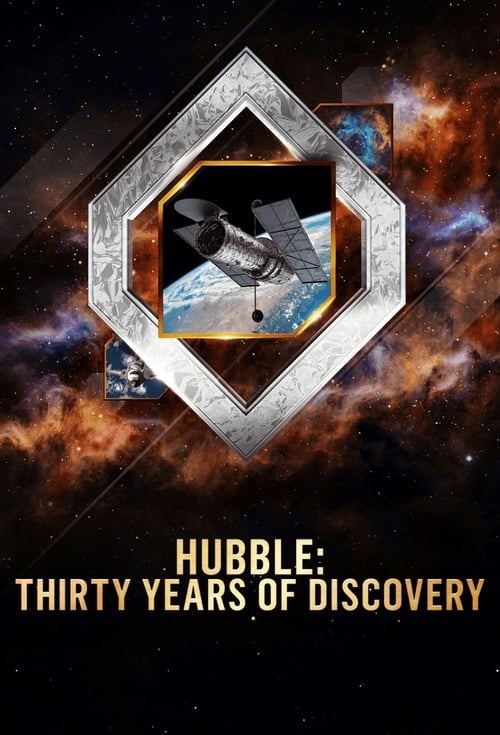
Hubble: Thirty Years of Discovery functions as a standard educational documentary, prioritizing scientific advancement and the history of space exploration. Its primary strength lies in its secular, universalist framework, which emphasizes human ingenuity and empirical discovery over traditional theological narratives. However, the film lacks explicit identity-driven character arcs. While it touches on the diverse achievements of NASA, it does not provide deep dives into the specific demographics or social identities of the people involved. The representation remains largely tied to professional roles rather than personal lived experiences. Ultimately, the documentary offers a progressive, science-centered perspective that portrays the cosmos as a shared human achievement, even if it stays within the neutral boundaries of a technical documentary.
Category Breakdown
The documentary maintains a neutral stance, focusing on celestial phenomena and mission logistics rather than personal identity politics or LGBTQ+ character arcs.
The film highlights NASA astronauts and technical history. While aerospace engineering is traditionally male-dominated, it includes astronaut testimonials showcasing female expertise in high-stakes environments.
The film showcases NASA's collective achievements and international scientific collaboration. It reflects a move toward inclusive representation through the lens of global human endeavor and cosmic discovery.
The narrative prioritizes scientific inquiry and empirical evidence over religious frameworks. By focusing on the age of the universe, it promotes a secular, knowledge-based worldview.
There is no evidence regarding the portrayal of individuals with physical or neurodivergent disabilities. The focus remains strictly on mission logistics and astronomical data.
Present on Screen
Limited or Absent
Official Synopsis
For thirty years, NASA's Hubble Space Telescope has discovered new alien worlds, black holes, and the age of the universe itself; NASA astronauts reveal the secret history of the life-or-death missions to keep this complex machine working.
2015
2013
2010

2007
2021
2022
2016
1989
No reviews yet. Be the first to share your thoughts on this movie!
Use the rating form above to leave a star rating and optional review.