
Keep Going
2018
No user ratings available yet
Diversity score: 3.7 out of 10
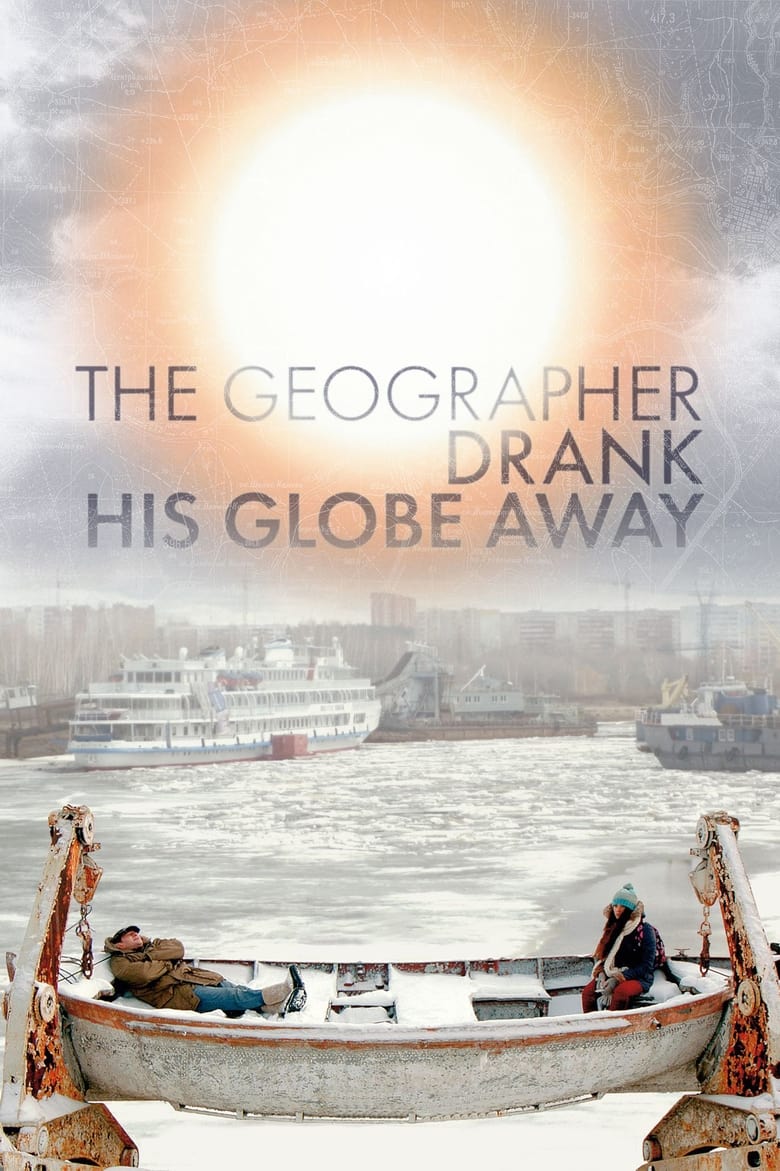
2013
Not RatedDirector
Alexandr Veledinsky
Runtime
120 minutes
Average Rating
No ratings yetSynopsis
Victor Sluzhkin signs on as a teacher of geography in a secondary school in his native Perm (in the Urals) and gets lost in a haze of hard vodka, desperate love for a nymphet-like student and the stress of educating teenagers. Geographer, as the students immediately dub Sluzhkin, attempts to escape from the grueling, dull, stultifying reality of Russia's provincial life in a rafting tour to the Urals. Accompanied by wild, adventure-seeking adolescents, faced with the numerous grim surprises of the nature, Geographer is poised to find himself and his own truth.
Overall Score
Limited
Category Breakdown
LGBTQ+ Representation
The film lacks queer identities or non-heteronormative structures. The protagonist's fixation on a student follows traditional, dysfunctional heteronormative tropes. No same-sex intimacy or critiques of heteronormativity appear in the plot.
Gender Representation
The film subverts the competent male authority trope by portraying Victor Sluzhkin as an ineffective, alcoholic figure. However, female characters often act as catalysts for his crisis rather than possessing independent agency.
Racial & Ethnic Diversity
Set in the provincial Urals, the film maintains a largely homogeneous Russian cast. It focuses on specific socio-cultural textures of provincial life rather than exploring intersectional racial complexity.
Religious & Cultural Diversity
The narrative critiques the decay of provincial educational systems and family stability. It portrays a rejection of professional decorum and institutional stability in favor of subjective, existential truth.
Disability Representation
The protagonist's social isolation and obsessive traits suggest mental health struggles or neurodivergence. These are framed as personal tragedies and character flaws rather than an empowered exploration of disability.
Strengths
Areas for Improvement
AI Analysis
The film functions as a localized, existentialist character study that prioritizes a messy, subjective moral landscape over broad representation. It succeeds in deconstructing the archetype of the stable male leader and critiques the rigidity of provincial Russian institutions. However, the work lacks intersectional breadth. The narrative remains centered on a homogeneous cast and traditional, albeit dysfunctional, relationship structures, offering little engagement with queer or diverse ethnic identities. Ultimately, the film's value lies in its postmodern rejection of social hierarchies and the 'expert' identity, even as it misses opportunities for more nuanced depictions of disability and gender agency.
2018
1994
1987

2013

2015

1992

2020

2012

2016

2012

2010

2021
No reviews yet. Be the first to share your thoughts on this movie!
Use the rating form above to leave a star rating and optional review.