
Vampire Killer Barbys
1996
No user ratings available yet
Representation score: 6.8 out of 10
Representation Score
Good
2002
Not RatedDirector
Guy Maddin
Runtime
74 minutes
Average Rating
No ratings yetNew Showbiz Analysis
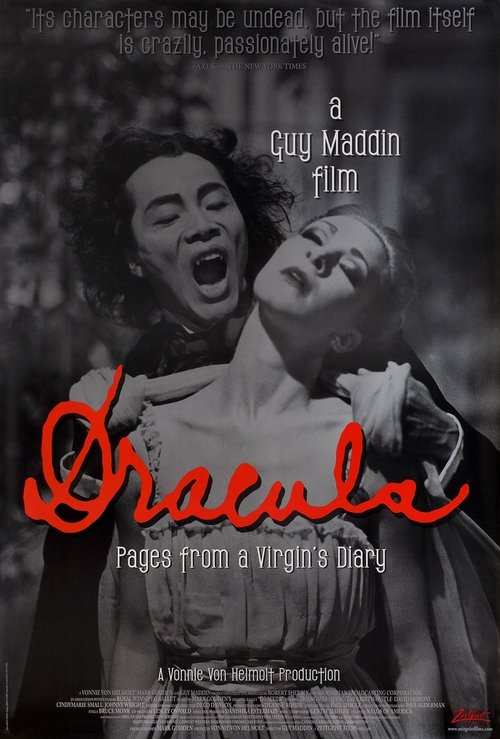
Guy Maddin’s work deconstructs the Gothic genre by shifting the power dynamic from the predator to the female protagonist. By using a diary-centric narrative, the film replaces the cliché of the passive victim with a complex exploration of female subjectivity and desire. However, the film’s commitment to a highly stylized, early 20th-century silent cinema aesthetic limits its demographic reach. The monochromatic and expressionistic style results in a lack of racial and ethnic diversity, focusing instead on stylistic pastiche. Ultimately, the film is a study in narrative disruption. It trades traditional identity-based representation for a postmodern critique of objective reality and traditional storytelling structures.
Category Breakdown
The film uses a surreal, erotic framework that prioritizes dream logic over conventional heterosexual plots. Though it doesn't explicitly depict LGBTQ+ identities, its focus on fragmented eroticism challenges traditional moral structures.
The narrative shifts Victorian hierarchies by centering a female protagonist's diary. This change grants the protagonist a significant role and prioritizes a female perspective over the traditional male viewpoint.
The monochromatic, expressionistic aesthetic does not emphasize racial diversity. The film focuses on a stylized, theatrical setting that lacks engagement with diverse ethnic identities or varied casting.
The film rejects singular truths in favor of subjective, dream-like experiences. This approach critiques structured, traditionalist frameworks found in the original Gothic mythos.
The emphasis on fragmented memory and the subconscious hints at neurodivergent cognitive states. However, these are portrayed through surrealism rather than specific, character-driven depictions of disability.
Present on Screen
Limited or Absent
Official Synopsis
A cinematic version of the Royal Winnipeg Ballet's adaptation of Bram Stoker's gothic novel Dracula. Filmed in a style reminiscent of silent Expressionist cinema of the early 20th century (complete with intertitles and monochrome photography), it uses dance to tell the story of a sinister but intriguing immigrant who preys upon young English women.
1996
1979
1922
1925
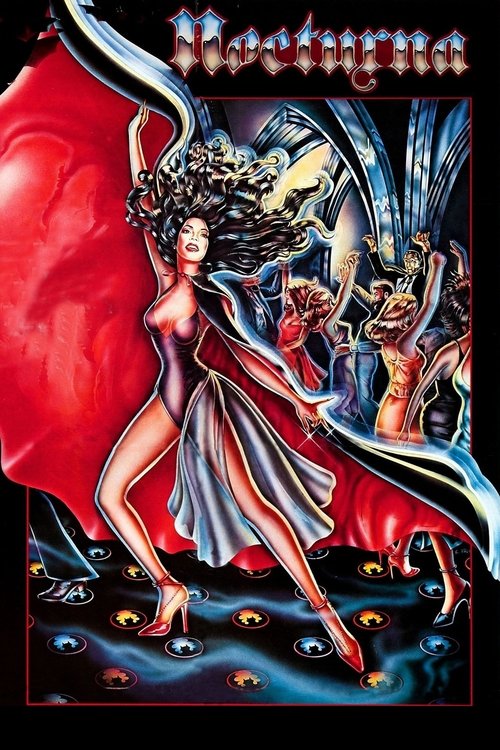
1979
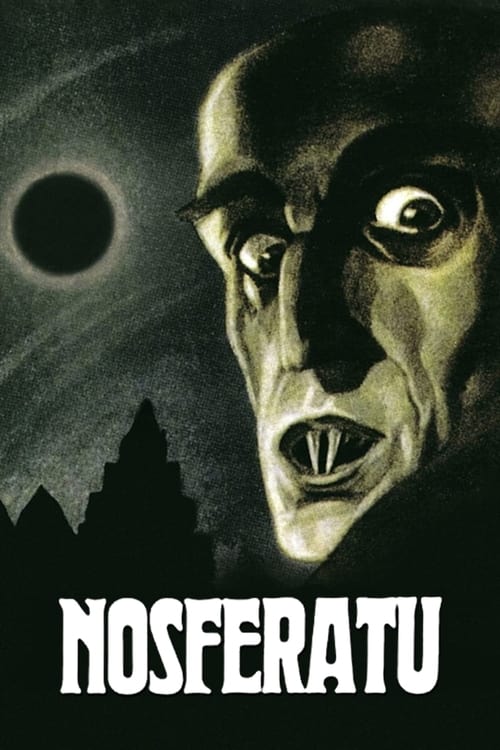
1922
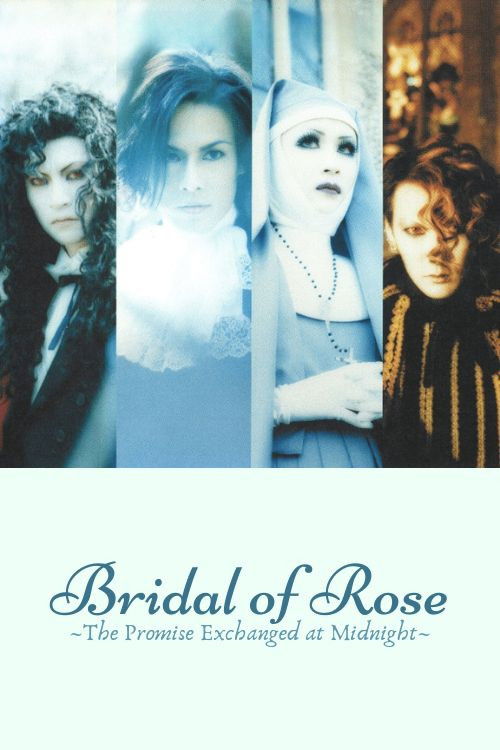
2002
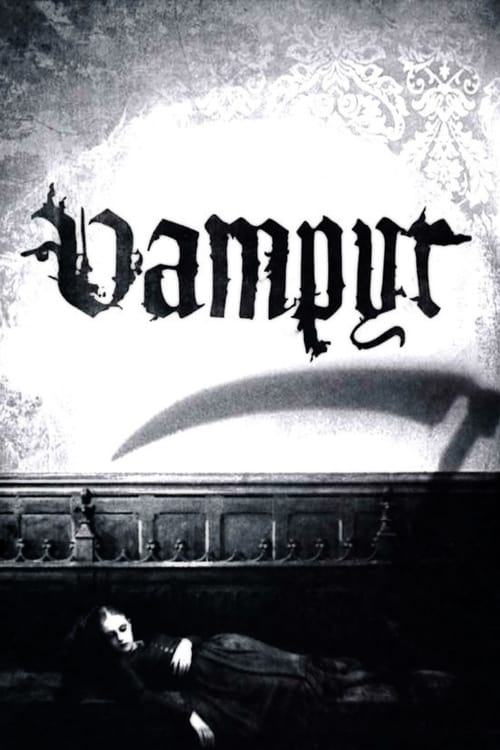
1932
No reviews yet. Be the first to share your thoughts on this movie!
Use the rating form above to leave a star rating and optional review.