White Face
1932
No user ratings available yet
Representation score: 1.1 out of 10
Representation Score
Minimal
1939
ApprovedDirector
Leslie Fenton
Runtime
69 minutes
Average Rating
No ratings yetNew Showbiz Analysis
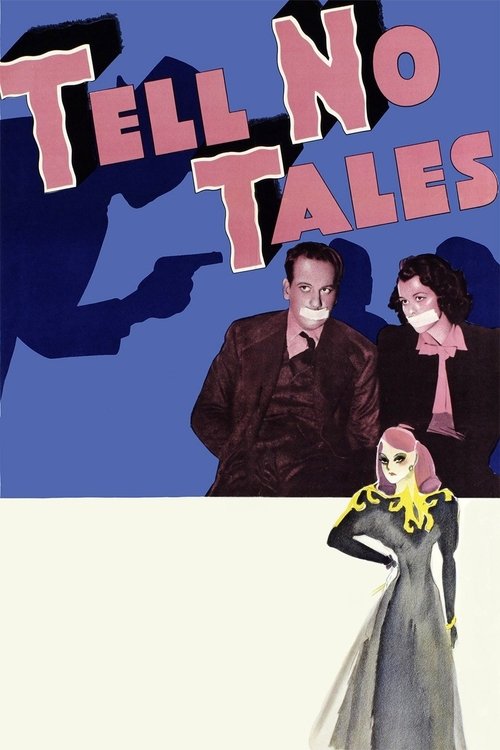
Tell No Tales is a conventional 1930s crime drama that mirrors the social and demographic norms of the Hollywood studio era. The narrative is driven by a male protagonist, reinforcing traditional gender hierarchies and professional power structures. The film lacks complexity in representing multiple aspects of identity. It does not feature LGBTQ+ representation, racial diversity, or characters with disabilities, adhering strictly to the era's standard social norms. Ultimately, the work functions as a product of its time, prioritizing established social hierarchies and homogeneous casting over progressive storytelling.
Category Breakdown
The film does not include any LGBTQ+ characters or narratives. It follows the strict social norms and traditional archetypes typical of 1930s cinema.
The story revolves around a male newspaper editor's professional ambitions. Female characters tend to have supporting or reactive roles rather than being central figures of authority.
The production reflects the homogeneous casting practices of the 1930s studio system. It portrays a Western, white-centric society without evidence of diverse casting.
The narrative emphasizes professional survival and traditional Western values, focusing on institutional continuity and ethical journalism. It does not deconstruct social structures.
There is no evidence of characters with disabilities having significant roles or ability to act. The film does not feature any central narrative drivers involving disability.
Present on Screen
Limited or Absent
Official Synopsis
A newspaper editor turns a kidnapping into the banner headlines and exclusive story that could save his publication.
1932
1939
1936

1935
1943

1939
1941
1931
No reviews yet. Be the first to share your thoughts on this movie!
Use the rating form above to leave a star rating and optional review.