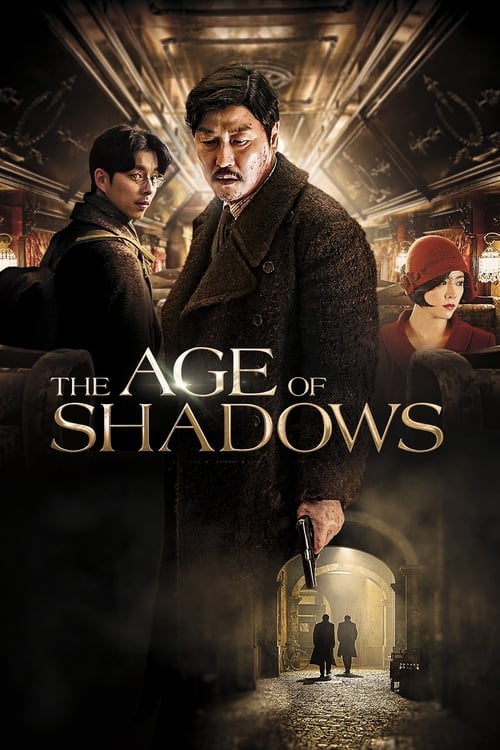
The Age of Shadows
2016
No user ratings available yet
Representation score: 4.5 out of 10

Representation Score
Limited
2015
Director
Yū Irie
Runtime
108 minutes
Average Rating
No ratings yetNew Showbiz Analysis
Joker Game is a specialized historical thriller that prioritizes the psychological toll of espionage over diverse representation. It focuses on the mechanics of statecraft and the erosion of individual morality. The film excels in its sophisticated exploration of situational ethics. It replaces the traditional heroic archetype with morally ambiguous operatives navigating a world of systemic pressure. However, the film lacks demographic diversity. The narrative structure remains centered on a traditional, masculine-coded perspective that offers limited space for diverse identities.
Category Breakdown
The film follows the strict, straight-centered structures of 1940s military hierarchies. There are no depictions of LGBTQ+ relationships or identities.
The narrative is dominated by a patriarchal framework. While Rin provides a counterbalance to the male characters, women's roles remain secondary to the male-dominated espionage plot.
The story addresses complex geopolitical tensions involving Japanese, Chinese, British, and Soviet interests. However, other ethnic groups often serve as strategic variables rather than having significant roles in driving the story.
The film effectively portrays moral relativism and the breakdown of traditional ethics. It shows state-sanctioned deception as a necessary tool for survival in a changing international order.
There are no visible or invisible disabilities integrated into the character arcs or used as meaningful narrative devices.
Present on Screen
Limited or Absent
Official Synopsis
Set along a backdrop of a fictitious second world war at an international city in Asia. In Japan, Lieutenant Colonel Yuki (Yusuke Iseya) recommends the creation of spy training school "D Kikan". Meanwhile, Kato (Kazuya Kamenashi) is facing capital punishment for his refusal to follow a superior's order. Kato is then scouted by "D Kikan". He goes through a harsh training regiment and faces his first mission as a spy. In order to seize American ambassador Graham's confidential documents "Black Note." Kato infiltrates into an international city. A battle to gain possession of the "Black Note" ensues between Kato, a mysterious woman named Rin (Kyoko Fukada), the British Spy Agency, the Soviet Spy Agency and the radical army in Japan.
2016
2015

2012

2010

2019

2017

2014

2022
No reviews yet. Be the first to share your thoughts on this movie!
Use the rating form above to leave a star rating and optional review.