
Isabel on the Stairs
1984
No user ratings available yet
Representation score: 5.6 out of 10
Representation Score
Good
1988
Director
Eli Cohen
Runtime
95 minutes
Average Rating
No ratings yetNew Showbiz Analysis
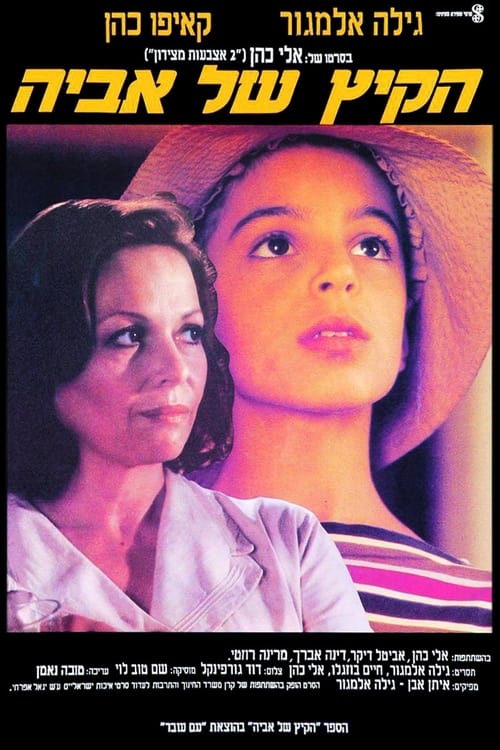
Aviya's Summer is a character-driven drama that subverts traditional domestic archetypes. By focusing on the psychological aftermath of the Holocaust, the film moves away from heroic clichés to explore the unvarnished reality of survival and trauma. The film excels in its portrayal of mental health and gendered experiences. It avoids the pitfalls of 'inspiration porn' by treating Henya's instability with depth and ability to act, while also challenging the myth of the perfect, stable matriarch. However, the film lacks breadth in terms of diverse identities. The narrative is deeply rooted in a specific ethnic and historical context, resulting in a lack of visible LGBTQ+ representation or multi-ethnic diversity.
Category Breakdown
The film focuses on a maternal bond and the search for a father. There are no visible LGBTQ+ themes or representations of non-straight identities.
The story challenges traditional gender roles by centering on a female-led household. It portrays Henya as an emotionally unstable survivor, disrupting the conventional image of a stable mother.
Set in the early Israeli state after the Holocaust, the film highlights the Jewish experience and the systemic scars it bears. It provides depth to this specific ethnic identity.
The narrative deconstructs the idealized family unit, presenting parenthood as a site of trauma. It explores the lived reality of systemic victims in a wounded state.
Henya’s psychological trauma is portrayed as a central, driving force in the film, offering a nuanced depiction of invisible disability. Her emotional instability is treated with depth and ability to act.
Present on Screen
Limited or Absent
Official Synopsis
A young girl and her mother both carry the scars of their experiences during the holocaust in this drama from Israel. In 1951, Aviya is a ten-year-old girl being raised by her single mother, Henya, in a small village in Israel. Henya is a survivor of a Nazi concentration camp, and has come out of the experience considerably worse for wear; she's haunted by the memories of her past, and has become emotionally unstable. Circumstances for her and her daughter are hardly improved by the poverty of the newly wounded state of Israel, and their own difficult economic circumstances. Aviya, meanwhile, is obsessed with finding her missing father, and wonders if he might be the man who has just moved into their village. Henya, however, knows better, and knows why Aviya's father is never coming back to them.
1984

2007

1992

1985
2018

1997

1994
1996
No reviews yet. Be the first to share your thoughts on this movie!
Use the rating form above to leave a star rating and optional review.