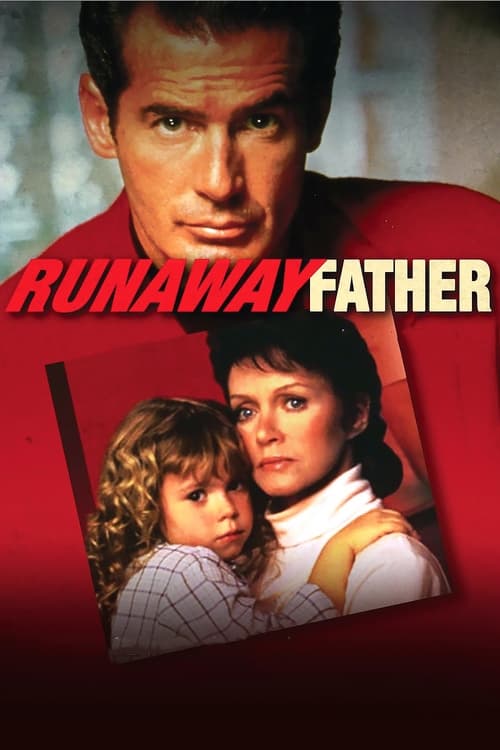
Runaway Father
1991
No user ratings available yet
Representation score: 2.7 out of 10

Representation Score
Limited
1998
Director
Paul Schneider
Runtime
96 minutes
Average Rating
No ratings yetNew Showbiz Analysis
When He Didn't Come Home is a typical 1990s television drama that emphasizes traditional family themes. The story centers on a mother's quest to find her missing son, a common narrative that upholds conventional family structures. The film does not make intentional efforts to include diverse racial or multi-layered representations. Instead, it adheres to the casting and thematic conventions of its time, focusing on domestic issues and the preservation of the nuclear family unit. While the female lead plays a prominent role in driving the plot, the overall narrative structure remains tied to traditional storytelling methods without substantial subversion of societal norms.
Category Breakdown
The film does not prominently feature LGBTQ+ characters or stories centered around their experiences. The main storyline revolves around a mother searching for her missing son, which adheres to traditional family narratives.
Patty Duke plays a central role as the female protagonist, providing significant influence over the plot. However, the narrative sticks closely to traditional gender roles and emotional archetypes without challenging these norms.
The production seems to rely on homogeneous casting typical of its era. There is no indication of intentional efforts to include diverse racial backgrounds or characters who reflect more than one aspect of diversity.
The story operates within traditional Western storytelling values, emphasizing the sanctity of the nuclear family. It does not offer critiques of religious or cultural traditions beyond the scope of its time period.
The film does not depict any neurodivergence, physical disabilities, or mental health conditions in its narrative.
Present on Screen
Limited or Absent
Official Synopsis
A mother (Patty Duke) goes to Chicago to try to find her son (Robert Floyd) who has suddenly quit contacting her and can't be reached.
1991

2018

1996
1996

1986
1992
1996
2000
No reviews yet. Be the first to share your thoughts on this movie!
Use the rating form above to leave a star rating and optional review.