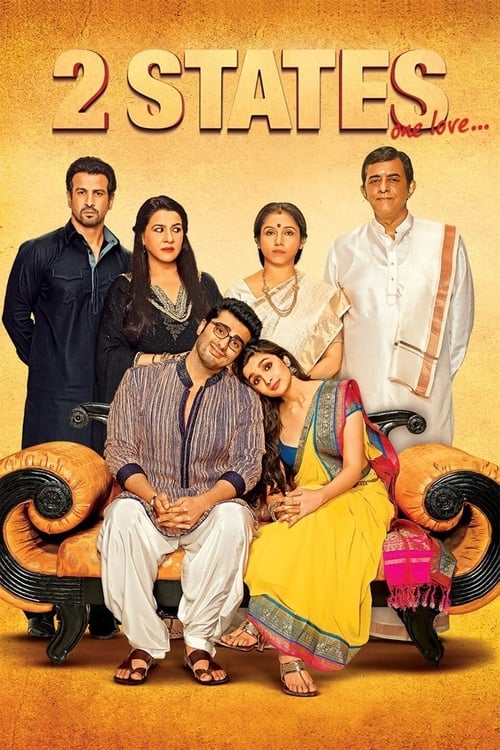
2 States
2014
No user ratings available yet
Representation score: 3.3 out of 10
Representation Score
Fair
2016
Director
Shuja Paul
Runtime
90 minutes
Average Rating
No ratings yetNew Showbiz Analysis
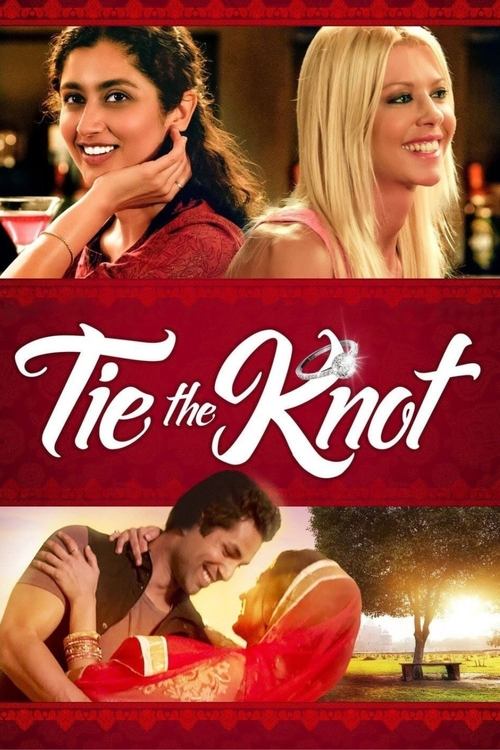
Tie the Knot successfully explores cultural differences using a multicultural cast to avoid including someone from a minority group without giving them real depth. By focusing on the interactions between American and Indian women, the film effectively examines identity and modern autonomy through a cross-cultural lens. However, the film's scope is limited by its emphasis on traditional family conflicts. While it offers strong racial and gender perspectives, it lacks representation for LGBTQ+ identities and characters with disabilities. Overall, the film is a compelling look at the clash between tradition and modernity, with strengths in its multi-layered racial dynamics and female-driven storytelling.
Category Breakdown
The film doesn't include explicit LGBTQ+ characters or stories. The main conflict revolves around Western individualism versus traditional Indian family structures, not around queer identities.
Two female protagonists seek autonomy, driving the plot. The narrative challenges traditional hierarchies by presenting maternal and familial control as barriers to personal freedom.
The film aims to show diverse racial backgrounds through a significant South Asian cast and a cross-cultural framework. This helps break down monolithic views of Western and Eastern identities.
The story highlights the tension between traditional practices and modern lifestyles. It questions strict institutions by emphasizing personal autonomy over ancestral or religious rules.
There is no clear evidence of characters with physical or neurodivergent disabilities in the film.
Present on Screen
Limited or Absent
Official Synopsis
When an American woman takes an impromptu journey to Mumbai too get away from her overbearing mother, she befriends an Indian woman striving to balance her family's culture with modern day demands. What ensues is an ethnic and generational mash-up that will leave audiences enthralled at the calamity of old-school traditions and contemporary lifestyle.
2014
2008

2022

2012

2018
2023

2020

1997
No reviews yet. Be the first to share your thoughts on this movie!
Use the rating form above to leave a star rating and optional review.