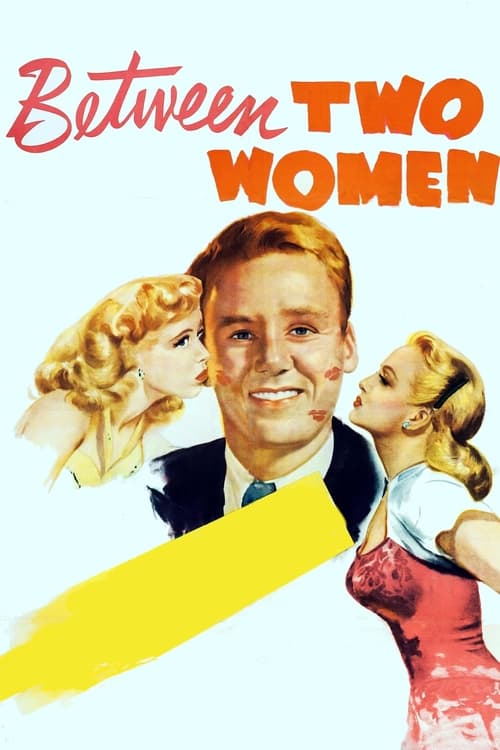
Between Two Women
1945
No user ratings available yet
Representation score: 3.0 out of 10
Representation Score
Limited
1934
NRDirector
Lambert Hillyer
Runtime
64 minutes
Average Rating
No ratings yetNew Showbiz Analysis
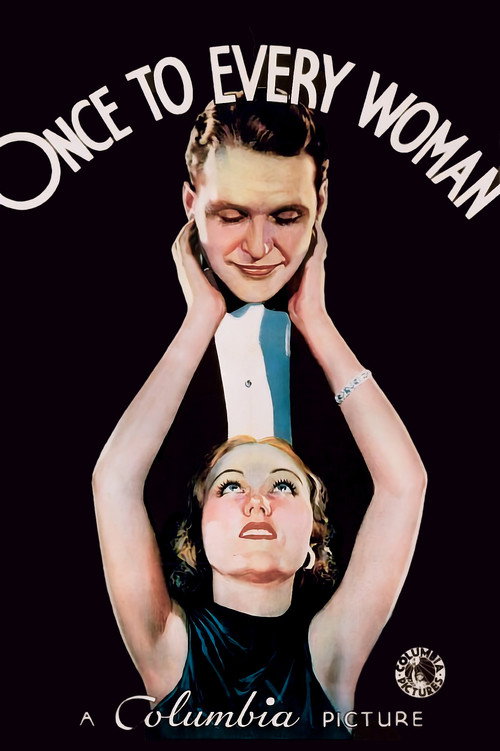
Once to Every Woman is a standard 1930s hospital drama that adheres to the conventional storytelling and casting norms of its era. While it offers a female lead with professional involvement, the film lacks depth in representing diverse identities and social critiques. The narrative focuses on professional conflicts within established institutions, reinforcing traditional hierarchies rather than challenging them.
Category Breakdown
The film does not include any LGBTQ+ characters or narratives, sticking to the traditional dramatic structures of the 1930s era.
A female nurse serves as a central protagonist, offering a degree of professional involvement. However, the conflict with a male doctor likely aligns with the professional hierarchies of the time.
The production reflects the homogeneous casting practices typical of the 1930s studio system. There is no indication of significant racial or ethnic diversity among the characters.
The story functions as a conventional professional drama set within a hospital. It lacks themes that question or challenge established social or medical institutions.
The protagonist is described as an 'able nurse,' distinguishing her from those with physical limitations. However, the film lacks intentional inclusion of neurodivergence or disability.
Present on Screen
Limited or Absent
Official Synopsis
An able nurse clashes with a new doctor at her hospital.
1945
1932
1934
1939
1935
1939
1940

1934
No reviews yet. Be the first to share your thoughts on this movie!
Use the rating form above to leave a star rating and optional review.