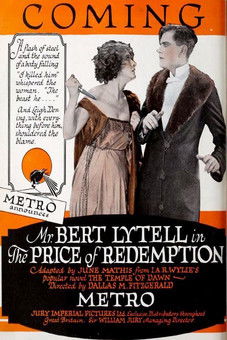
The Price of Redemption
1920
No user ratings available yet
Representation score: 1.4 out of 10

Representation Score
Minimal
1933
PassedDirector
Albert H. Kelley, Harry O. Hoyt
Runtime
63 minutes
Average Rating
No ratings yetNew Showbiz Analysis
Jungle Bride is a product of the early sound era, shaped by the strict moral codes of the emerging Hays Code. The film follows the standard adventure-drama conventions of 1933, emphasizing traditional social structures over diverse representation. The narrative hinges on a central conflict involving a woman's suspicion of a man, providing a degree of ability to act to the female lead. However, this ability to act is framed within traditional gender roles and Western legalism. Ultimately, the film lacks representation for LGBTQ+ individuals and people with disabilities. Its setting and era suggest a reliance on colonialist clichés and a lack of racial diversity.
Category Breakdown
The film doesn't include any characters with non-binary genders or same-sex relationships. It follows the typical heterosexual romance themes found in 1930s adventure films.
A woman drives the main storyline through her perspective of a crime. However, she may function within traditional gender roles common to this time period.
The jungle setting and era suggest the film likely portrays a homogeneous white cast against a colonial backdrop, treating the exotic landscape as a mere setting.
The story emphasizes individual morality and Western legal systems. It upholds traditional social hierarchies and the sanctity of the law without exploring diverse cultural perspectives.
There are no characters with visible or invisible disabilities. The narrative centers on the shipwrecked survivors and their legal disputes.
Present on Screen
Limited or Absent
Official Synopsis
Four survivors of a ship wreck are stranded on a deserted island, including a woman and the man she believes is responsible for the murder which her brother is in prison for.
1920

1939
1938
1958
1923

1936

1946

1942
No reviews yet. Be the first to share your thoughts on this movie!
Use the rating form above to leave a star rating and optional review.