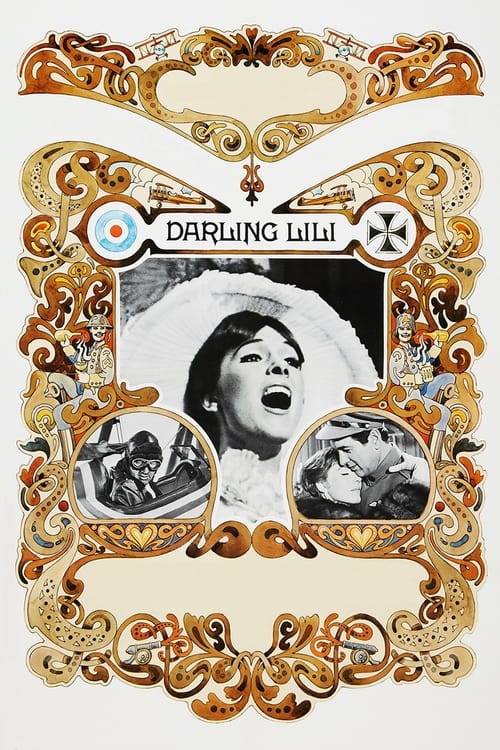
Darling Lili
1970
No user ratings available yet
Representation score: 2.6 out of 10

Representation Score
Minimal
1937
PassedDirector
Robert Z. Leonard
Runtime
131 minutes
Average Rating
No ratings yetNew Showbiz Analysis
The Firefly is a classic Hollywood production that emphasizes romantic melodrama and patriotic duty. While the female lead demonstrates tactical intelligence, her influence is tied to traditional gender roles involving attraction and romance. The film adheres to Eurocentric standards of its time, focusing on the conflict between Spain and France. It lacks representation of LGBTQ+ identities and characters with disabilities, reinforcing the social norms of the 1930s. Overall, the film serves as a conventional historical drama that upholds established cultural norms without questioning them.
Category Breakdown
The film portrays a traditional heterosexual relationship between Nina Maria Azara and Captain Andre. There is no depiction of non-traditional gender identities or same-sex relationships.
Nina Maria Azara is a strategic protagonist who uses her intelligence and attractiveness for espionage. However, her role is closely tied to her sexual appeal and involvement with a male character.
The story centers on Spanish and French identities during the Napoleonic Wars. The narrative operates within a Western European context, emphasizing nationalistic conflicts.
The plot highlights Spanish patriotism and resistance against French invasion. It follows the typical conventions of wartime melodrama without challenging societal norms.
The narrative focuses on espionage and romance. There are no characters with visible or invisible disabilities.
Present on Screen
Limited or Absent
Official Synopsis
Nina Maria Azara is the beautiful and alluring singing spy for Spain during the Napoleonic Wars. Her mission is to seduce French officers, in order for them to reveal Napoleon's intentions toward Spain. She is sent to Bayonne, France to gather military secrets. Prior to this, she meets Don Diego while performing at a club. Unknown to her, Don Diego is actually Captain Andre, who is sent to Spain to spy on her. While in France, Nina discovers Diego's true identity, only after she has fallen in love with him. Nina Maria outwits her potential captors, returns to Spain and goes into hiding. Napoleon's troops invade Spain, resulting in Nina's capture. In a strange twist of fate, Nina and Captain Andre are reunited, but the 2 nations are now at war...
1970

1952

1964

1946

1962

1992

1950
1944
No reviews yet. Be the first to share your thoughts on this movie!
Use the rating form above to leave a star rating and optional review.