
The Mephisto Waltz
1971
No user ratings available yet
Representation score: 2.2 out of 10

Representation Score
Limited
1959
Director
Rafael Baledón
Runtime
78 minutes
Average Rating
No ratings yetNew Showbiz Analysis
The film reflects the social and cinematic norms of 1950s Mexico. It centers on a singular male character's journey and the clear-cut conflict between human desires and supernatural consequences. Representation is limited by the genre's reliance on traditional moral themes and Faustian clichés. The narrative reinforces conventional gender roles and uses physical changes as a tool for moral storytelling rather than exploring complex identities. While the film offers a non-Anglo-Saxon perspective through its Mexican setting, it remains constrained by the homogeneous casting and rigid ethical structures typical of mid-century genre cinema.
Category Breakdown
The film does not include any LGBTQ+ identities or same-sex relationships. It follows a traditional story focused on a single male character.
The story centers around a male protagonist's ambitions and supernatural struggles. Female characters likely play supporting roles rather than driving the plot.
As a Mexican production, the film features a predominantly Hispanic cast. However, it may lack diverse representation due to the homogeneous casting practices of the time.
The film relies on traditional Christian morals about selling one's soul and divine justice. It upholds established Western ethical norms without challenging them.
The protagonist's transformation into a monster symbolizes moral corruption. Physical deformity is used to represent moral decay rather than showing nuanced disability.
Present on Screen
Limited or Absent
Official Synopsis
A failed pianist sells his soul to the devil in return for his becoming the greatest musician in the world. The catch: every time he plays he turns into a horrible monster.
1971
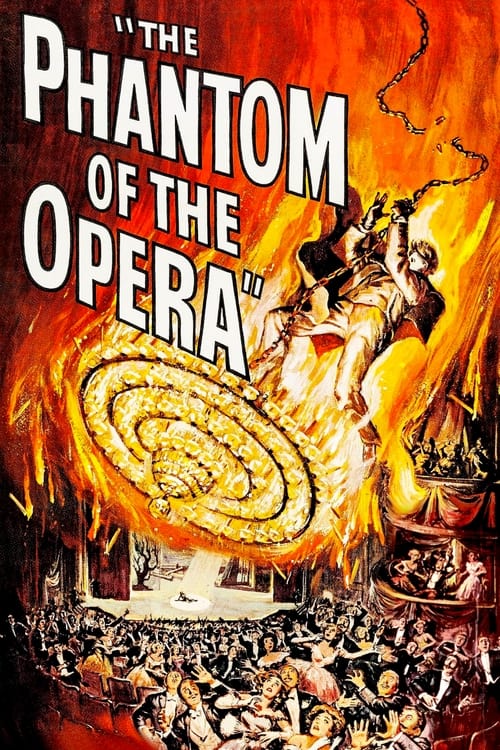
1962
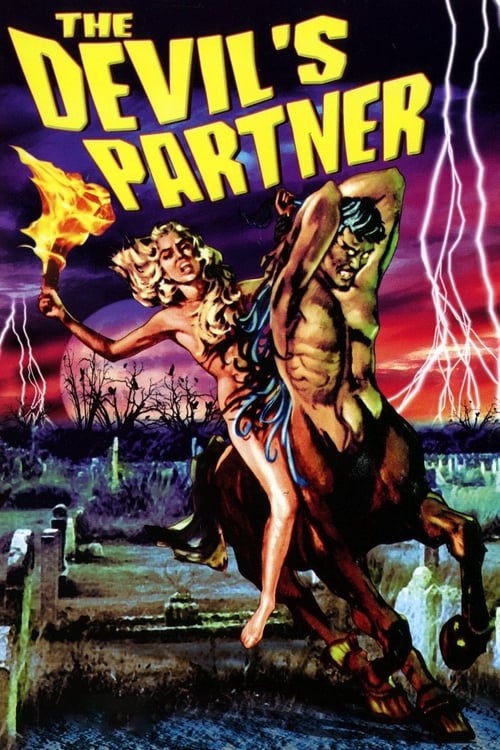
1961

1924
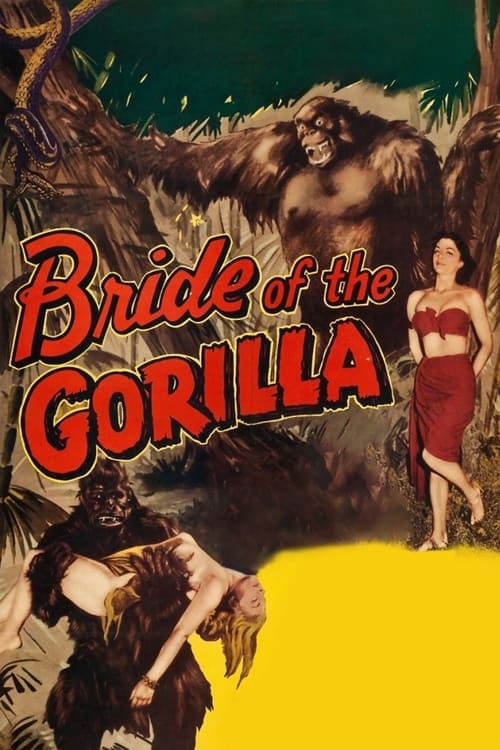
1951
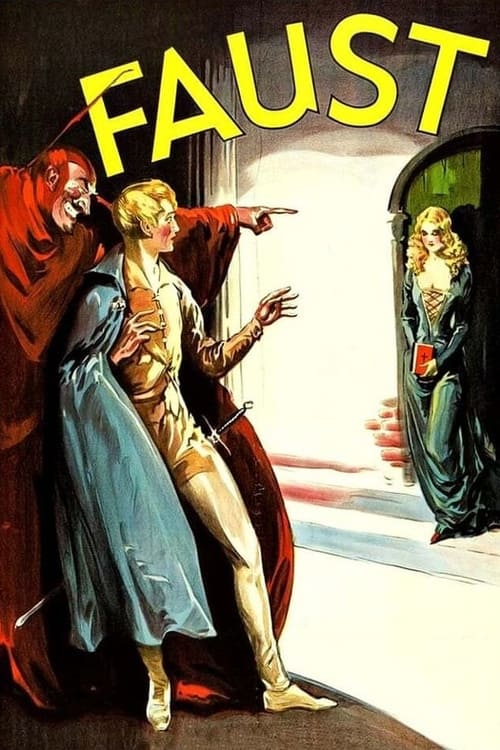
1926
1992
1935
No reviews yet. Be the first to share your thoughts on this movie!
Use the rating form above to leave a star rating and optional review.