
Devil in the Flesh
1998
No user ratings available yet
Representation score: 2.9 out of 10
Representation Score
Limited
1990
PG-13Director
Gary Sherman
Runtime
95 minutes
Average Rating
No ratings yetNew Showbiz Analysis
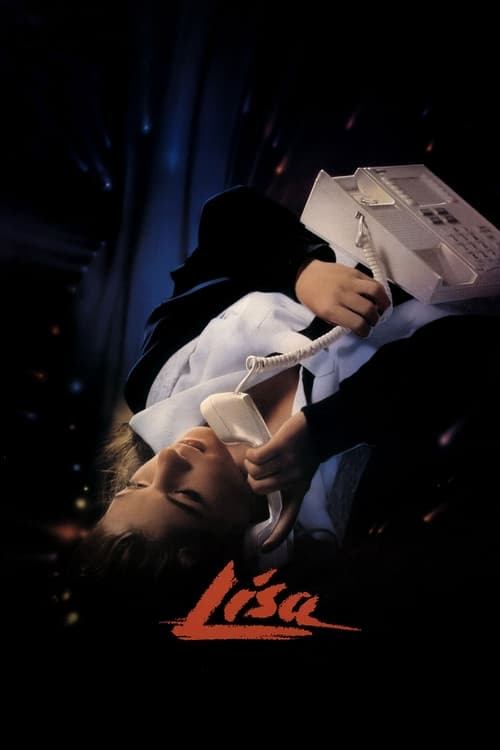
Lisa is a product of its era, prioritizing genre-specific suspense and the 'living doll' cliché over social commentary. The film follows established cinematic conventions of the early 1990s, focusing on the immediate threat of a serial killer rather than deconstructing systemic hierarchies. The social landscape is largely conventional and homogeneous. The narrative lacks intentionality regarding diverse representation, instead relying on standard horror archetypes and suburban clichés that reinforce the status quo of its time.
Category Breakdown
The film does not include any LGBTQ+ characters or non-cisgender identities. The interpersonal dynamics focus on heterosexual relationships typical of early 90s teen horror.
Female characters play central roles in the plot, but their portrayal adheres to traditional genre roles. Their presence is defined by the uncanny rather than challenging gender hierarchies.
The film features a predominantly white cast reflecting the demographic norms of suburban teen horror. It does not utilize diverse casts to challenge Anglo-centric narratives.
The story unfolds within a conventional Western suburban setting. It does not critique capitalism, religion, or traditional institutions, focusing instead on visceral horror threats.
There is no significant representation of characters with visible or invisible disabilities. The narrative does not use neurodivergence or physical disability as a central theme.
Present on Screen
Limited or Absent
Official Synopsis
A teenage girl becomes infatuated with a stranger who is, unbeknownst to her, a serial killer.
1998

1993

1981
1987
1987
1979

2006
1971
No reviews yet. Be the first to share your thoughts on this movie!
Use the rating form above to leave a star rating and optional review.