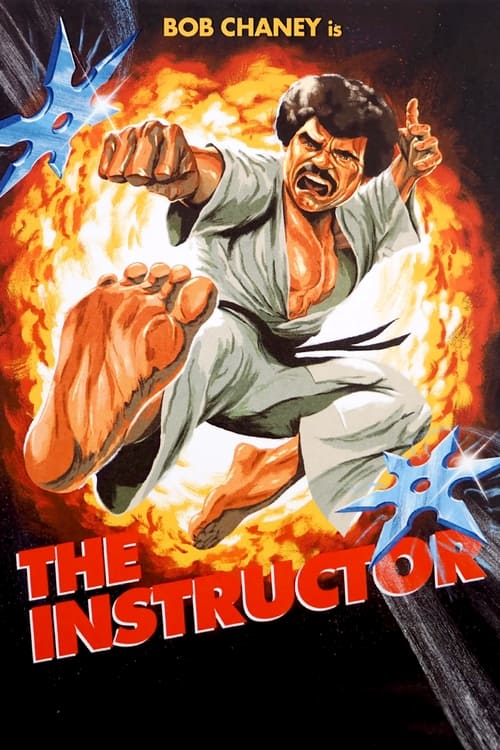
The Instructor
1983
No user ratings available yet
Representation score: 1.8 out of 10

Representation Score
Limited
1993
PG-13Director
Robert Radler
Runtime
100 minutes
Average Rating
No ratings yetNew Showbiz Analysis
Showdown is a traditional 1990s action film that prioritizes individual conflicts over social complexity. Its narrative structure relies heavily on established clichés, focusing on martial arts and personal vendettas rather than stories that reflect multiple aspects of identity. The film's character dynamics follow conventional patterns, with gender roles and romantic relationships conforming to typical action movie standards. It does not engage with diverse identities or disrupt traditional social hierarchies. Ultimately, the work serves as a straightforward action film that avoids exploring broader cultural or systemic themes, favoring a homogeneous and predictable cast of characters.
Category Breakdown
The film focuses on heterosexual relationships between Ken, Julie, and Tom. There are no representations of LGBTQ+ identities or perspectives that question the assumption that everyone is straight.
The story follows a male-dominated action storyline. Julie's role revolves around her relationships with the male characters, adhering to traditional gender roles without challenging the physical or intellectual hierarchy.
The narrative centers on interpersonal conflict and martial arts without delving into racial complexities. Although there is an Eastern influence suggested by a 'Sensei,' the film does not give significant roles to characters of color.
The plot follows a classic Western action framework centered on personal vendettas. It emphasizes individual merit and physical strength over critiques of systemic power or cultural deconstruction.
The narrative does not include any characters with visible or invisible disabilities.
Present on Screen
Limited or Absent
Official Synopsis
Ken has just moved from Kansas with his mother. He talks to a girl named Julie, not knowing that her boyfriend Tom is very possessive of her. Tom is learning karate from Lee, a sensei whose brother was killed by a rookie cop named Billy. Billy has since then become the janitor of the school that Ken, Julie and Tom go to. When Ken gets beaten up by Tom for talking to Julie again, Billy helps Ken by teaching him how to defend himself, which eventually leads to a battle between student vs. student, and sensei vs. sensei.
1983
1978
1991
1976
1992
1986

1991
1984
No reviews yet. Be the first to share your thoughts on this movie!
Use the rating form above to leave a star rating and optional review.