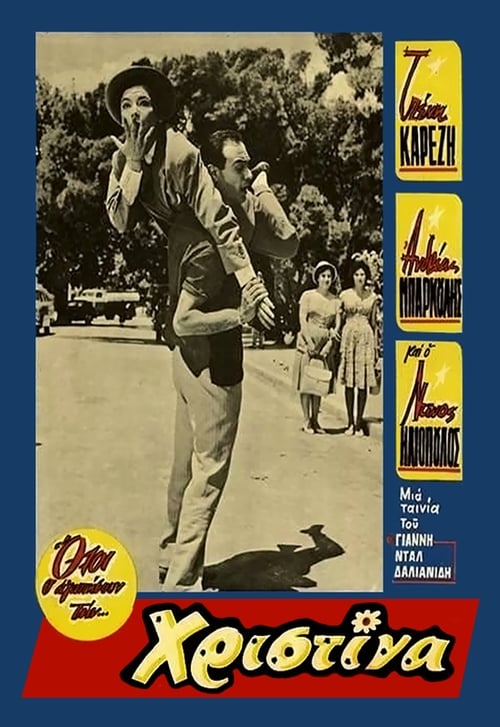
Christina
1960
No user ratings available yet
Representation score: 1.6 out of 10
Representation Score
Limited
1974
Director
Giannis Dalianidis
Runtime
95 minutes
Average Rating
No ratings yetNew Showbiz Analysis
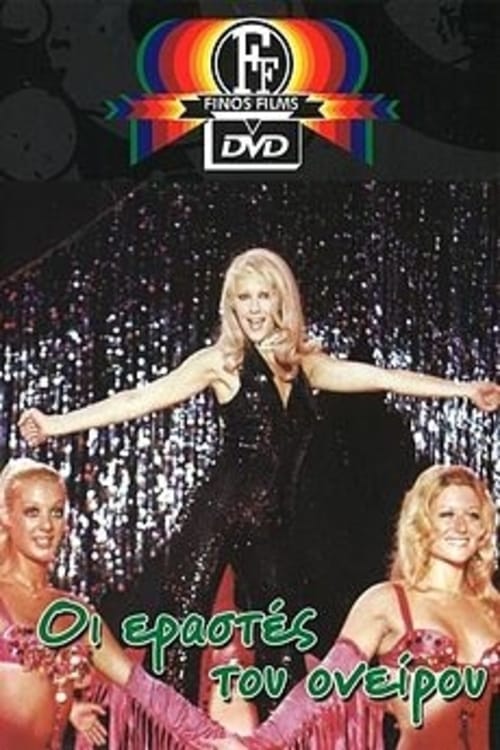
The Dream Lovers is a traditional 1970s Greek musical comedy that prioritizes romantic escapism over social critique. The narrative relies on established genre conventions, focusing on a localized, culturally specific setting that lacks multi-layered complexity. While the film offers some character's ability to drive the story through its female lead, it remains rooted in conventional social structures. The story functions as a homogeneous piece of commercial cinema rather than a work that challenges systemic hierarchies. Ultimately, the film serves its era's demand for escapism, offering a straightforward romantic resolution without addressing broader diversity or systemic issues.
Category Breakdown
The film follows a strictly heterosexual and cisgender romantic storyline. There is no representation of LGBTQ+ identities or critiques of traditional romantic frameworks.
While the male protagonist drives the initial conflict, Zoitsa takes a leading role by protecting Dimitris from the police. This shifts her role from a passive observer to an active participant.
The narrative focuses on a localized Greek setting and does not include a multi-ethnic cast or diverse racial representation.
The story explores class through the contrast between shipyard workers and villa owners. It relies on traditional cultural clichés rather than challenging institutional or religious structures.
No visible or invisible disabilities are portrayed as central to the character arcs or the plot progression.
Present on Screen
Limited or Absent
Official Synopsis
A popular and honest man, Dimitris (Dimitris Papamichael), who works at the Perama yards, sings at a local tavern in the evenings. One day, his revered brother proposes to break a villa, and to prove to him that these things do not need any special capacity, he accepts the challenge. The noise they do, however, awakens the daughter of the owner, Zoitsa (Zoe Laskari). The two invaders are surprise. Zoitsa, who understands that Dimitris is not a villain, asks her not to hand him over to the police and is listening. Shortly thereafter, the girl visits the owner of the shipyards in which Dimitris works. The two young men are reunited.
1960

1962
1961
1977
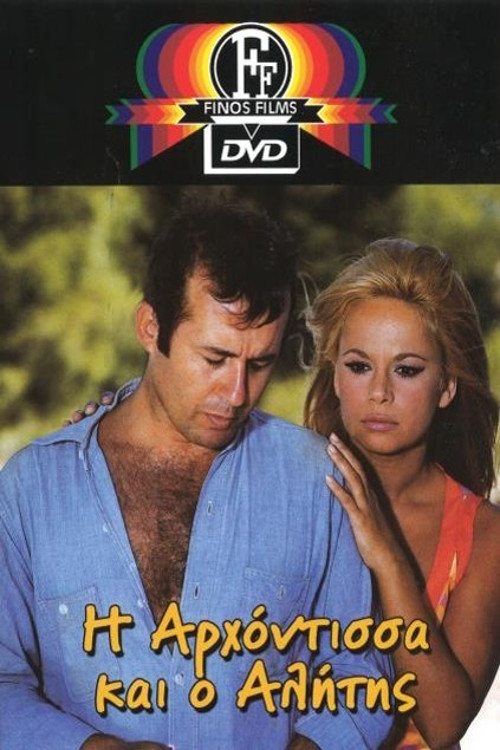
1968

1969
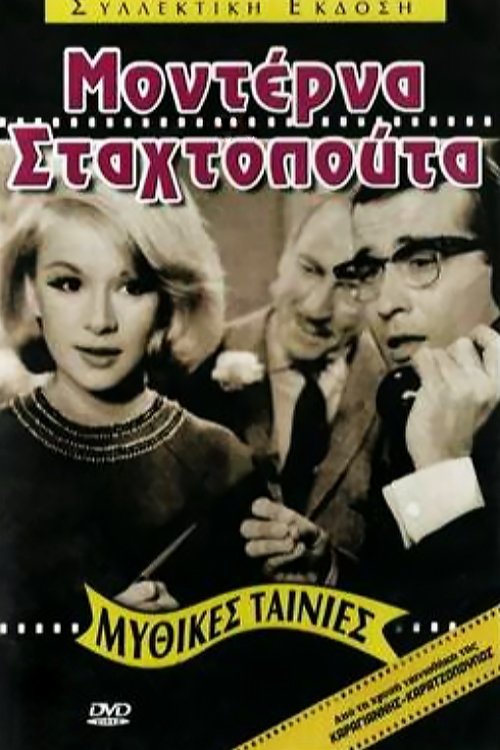
1965

1984
No reviews yet. Be the first to share your thoughts on this movie!
Use the rating form above to leave a star rating and optional review.