
The Joker
1961
No user ratings available yet
Representation score: 0.6 out of 10
Representation Score
Limited
1957
Director
Henri Decoin
Runtime
105 minutes
Average Rating
No ratings yetNew Showbiz Analysis
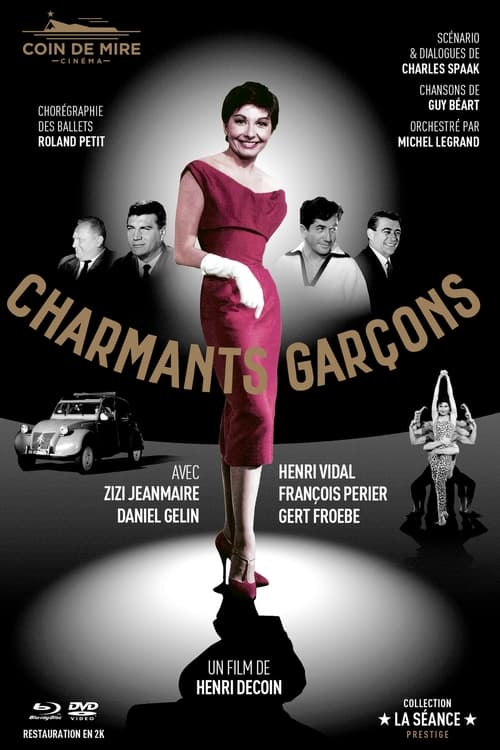
Too Many Lovers is a product of its time, adhering to the social hierarchies and demographic homogeneity typical of 1950s European romantic comedies. The film's structure relies on traditional romantic pairings and mid-century social norms. While Lulu provides a degree of female-driven plot progression, the film lacks complexity in representing diverse identities. The narrative remains centered on individual emotional outcomes and established masculine archetypes without systemic subversion. Ultimately, the film reflects the era's specific constraints, offering a narrow view of social and romantic life that lacks diverse representation across most categories.
Category Breakdown
The film follows a traditional framework that assumes everyone is straight. There are no representations of same-sex relationships or non-traditional gender identities.
Lulu drives the plot through her pursuit of an ideal man. While she takes an active role, the conflicts remain rooted in male-dominated social hierarchies.
The cast and setting are predominantly European. The film lacks significant roles for non-European characters, reflecting the demographic makeup of 1957 France.
The story explores the social norms and interpersonal conflicts of middle-to-upper-class society. It operates within a conventional moral landscape without challenging Western institutions or systemic issues.
The narrative focuses solely on the romantic and social dynamics of able-bodied characters. There are no characters with visible or invisible disabilities.
Present on Screen
Limited or Absent
Official Synopsis
The charming Lulu, a cabaret singer and dancer, has no shortage of admirers. When she decides to get married, she sets her heart on Robert, a young industrialist, but he is already married. Disappointed, she sets out in search of the ideal man.
1961
1950
1955

1952
1937
1938

1950
1953
No reviews yet. Be the first to share your thoughts on this movie!
Use the rating form above to leave a star rating and optional review.