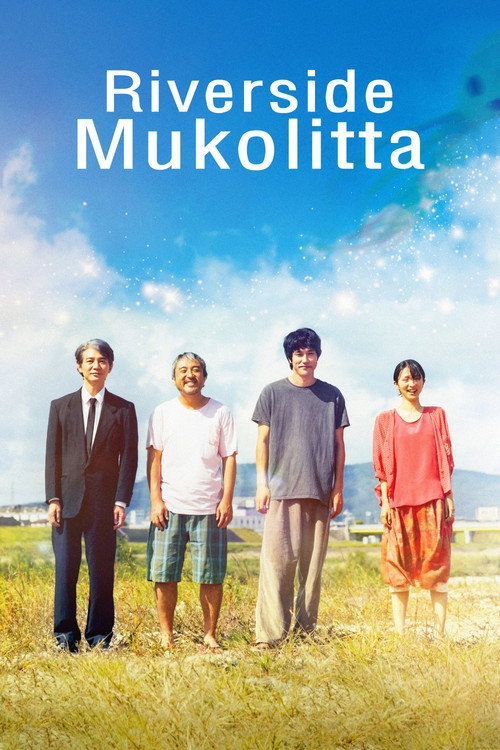
Riverside Mukolitta
2021
No user ratings available yet
Representation score: 7.9 out of 10
Representation Score
Fair
2019
Director
Takuma Yoshimi
Runtime
85 minutes
Average Rating
No ratings yetNew Showbiz Analysis
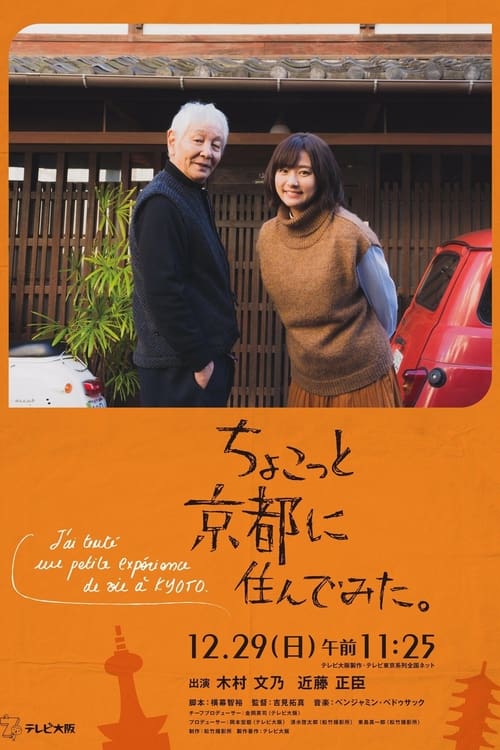
I Lived in Kyoto For A While is a domestic slice-of-life drama that focuses on personal introspection rather than social critique. It centers on a female protagonist's transition from a high-stress corporate environment to a caregiving role in a traditional setting. The film's strength lies in its female-led narrative, yet it remains tied to conventional social hierarchies. It reinforces traditional familial structures rather than subverting them through multi-layered complexity or diverse representation. Ultimately, the film serves as a localized study of Japanese domestic realism. It lacks the systemic disruption or diverse representation needed to move beyond a baseline score for progressive storytelling.
Category Breakdown
The film does not include any explicit references to LGBTQ+ characters or non-straight identities. The storyline revolves around traditional family duties and interpersonal stress without delving into queer themes.
Eto Kana's journey as a woman navigating professional burnout and caregiving highlights a female-centric perspective. However, the story emphasizes traditional gender roles, positioning her as the main emotional support figure.
The film's setting and cast appear homogeneous, focusing on Japanese social structures in Tokyo and Kyoto. There is no indication of multi-ethnic casting or diverse ethnic viewpoints.
The story examines the tension between modern urban life and traditional regional values, emphasizing filial piety and caretaking without challenging existing social structures.
An injured elderly granduncle serves as the catalyst for the plot. While his injury is addressed, he lacks independent ability to act and primarily functions as a driver for the protagonist's journey.
Present on Screen
Limited or Absent
Official Synopsis
27-year-old Eto Kana lives in Tokyo and has never been out of the city before. She used to work as a designer and stay in a company dormitory but moved back to her family home after resigning due to the stress from interpersonal relationships. Meanwhile, Kana’s family gets a call about an elderly granduncle who got injured. She goes to Kyoto where he lives at the request of her worried mother and stays there for several days to take care of him.
2021
2014
2023

2016
2019

2023
2021

2004
No reviews yet. Be the first to share your thoughts on this movie!
Use the rating form above to leave a star rating and optional review.