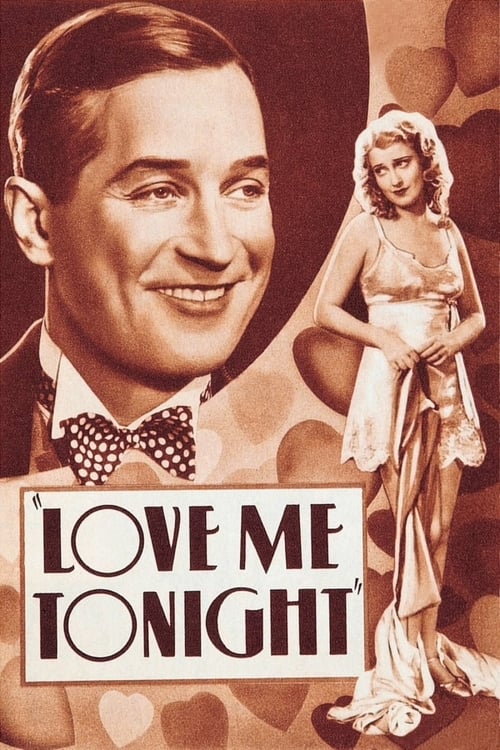
Love Me Tonight
1932
No user ratings available yet
Representation score: 1.1 out of 10
Representation Score
Minimal
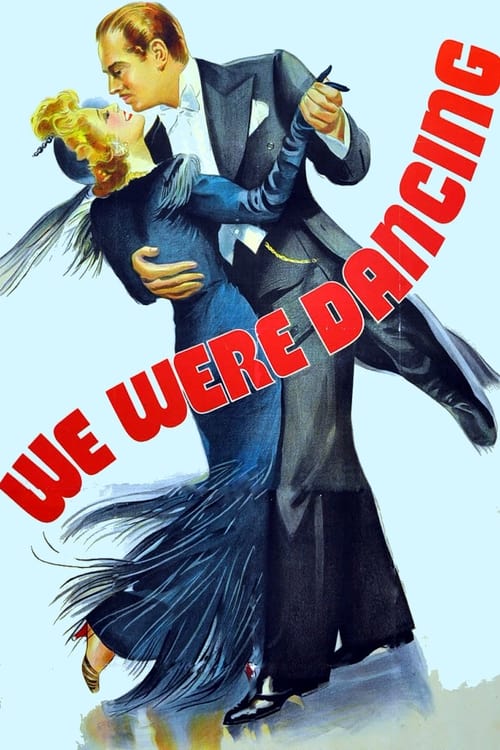
1942
NRDirector
Robert Z. Leonard
Runtime
95 minutes
Average Rating
No ratings yetNew Showbiz Analysis
We Were Dancing is a classic product of the Golden Age studio system, emphasizing escapism through conventional narrative structures. The film reinforces the social and cultural norms of 1940s American cinema, offering little disruption to the status quo. The production relies on established hierarchies of class, gender, and race. While it provides a platform for a female star, the power dynamics remain tied to traditional romantic desirability and social standing. Ultimately, the film lacks complexity in its social critique. It presents a singular, Western-centric social standard that avoids complex social critiques in favor of polished, high-gloss entertainment.
Category Breakdown
The film follows the social norms of the early 1940s and does not show any non-straight relationships or intimate moments between same-sex characters.
Lucille Ball plays a prominent role as a dance instructor, but her influence is limited by traditional romantic clichés and navigating social situations.
The cast reflects a homogeneous society typical of 1942 MGM productions, focusing on European nobility and American socialites without diverse ethnic backgrounds.
The story celebrates high-society glamour and traditional romantic relationships. It upholds Western social structures and class mobility without challenging them.
The film does not feature any characters with physical, sensory, or neurodivergent disabilities. All characters are shown as able-bodied performers.
Present on Screen
Limited or Absent
Official Synopsis
A penniless former princess weds an equally cash-strapped baron, so they support themselves by becoming houseguests at the homes of wealthy American socialites.
1932
1937
1941
1938
1939
1934
1928
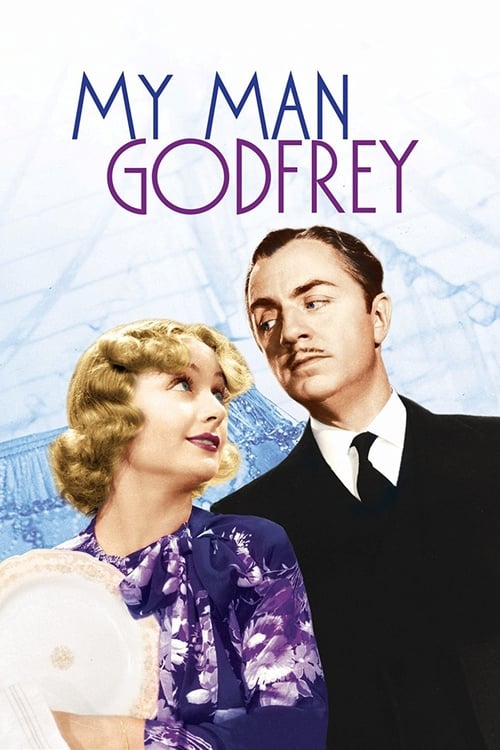
1936
No reviews yet. Be the first to share your thoughts on this movie!
Use the rating form above to leave a star rating and optional review.