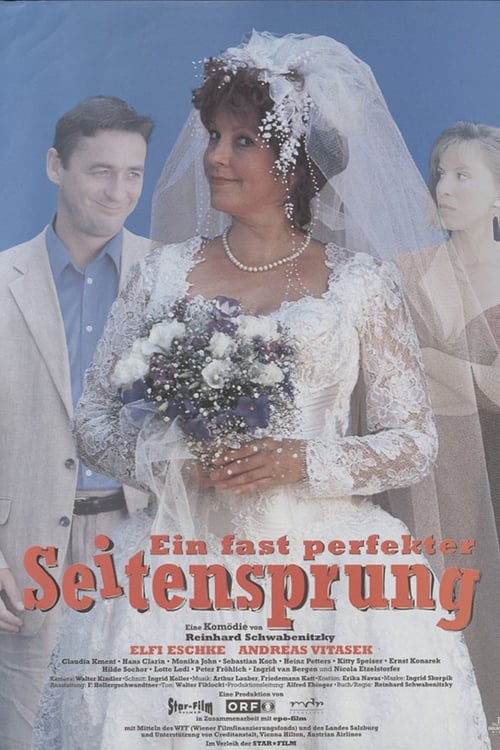
Ein fast perfekter Seitensprung
1996
No user ratings available yet
Representation score: 2.5 out of 10
Representation Score
Limited
1984
Director
Dieter Pröttel
Runtime
94 minutes
Average Rating
No ratings yetNew Showbiz Analysis
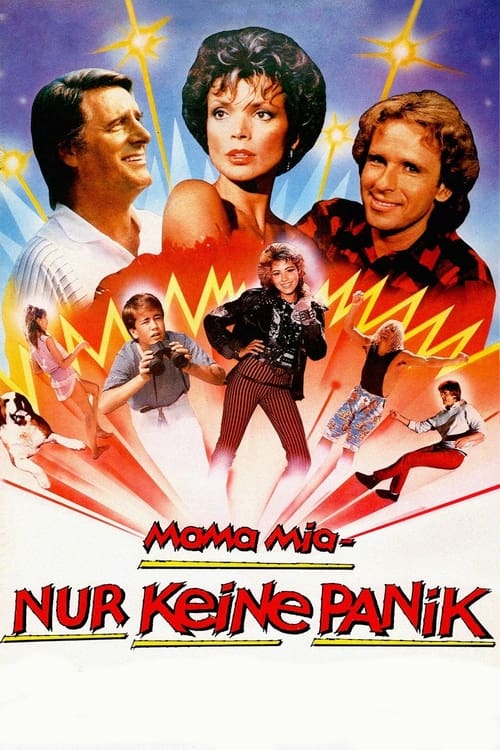
Mama Mia - Nur keine Panik is a conventional 1984 West German comedy that mirrors the social and demographic norms of its era. The film relies on established comedic clichés centered around straight-centered romance and the preservation of the nuclear family unit. While the protagonist Conny shows some independence by leaving her neglectful husband, the story's resolution leans toward traditional family roles. The film lacks intentionality in disrupting social hierarchies or presenting multi-layered identities. Ultimately, the work functions as a localized character study that prioritizes conventional social norms over progressive representation or systemic subversion.
Category Breakdown
The film follows traditional structures that assume everyone is straight or cisgender. The central conflict revolves around romantic relationships between cisgender, heterosexual characters without delving into other gender identities.
Conny takes a significant role by initiating a divorce and moving away. However, the plot eventually centers on the husband trying to win her back, reinforcing traditional family roles.
The production reflects the demographic homogeneity typical of mid-80s West German regional comedies. There is no indication of a diverse or non-Anglo-Saxon majority cast.
The narrative operates within a traditional Western framework focused on marriage and social standing. It views the restoration of a comfortable home as a positive goal.
There are no visible or invisible disabilities portrayed as central to the character arcs. No instances of disability are used as plot devices.
Present on Screen
Limited or Absent
Official Synopsis
Because her husband, crime novel author Bert, prefers to spend the evenings with milieu and girl studies in the pubs, Conny files for divorce and moves with the two children from Berlin to Munich. There, she mistakes the new teacher of her daughter with the renovating carpenter, which is quite alright with the teacher as this gives him plenty of opportunity to enjoy Conny’s company. Meanwhile, however, Bert as well has started to understand how good it is to have a cosy home. He comes to Munich in order to win Conny back.
1996

1985

1972

1972
1943

2014

2013

2017
No reviews yet. Be the first to share your thoughts on this movie!
Use the rating form above to leave a star rating and optional review.