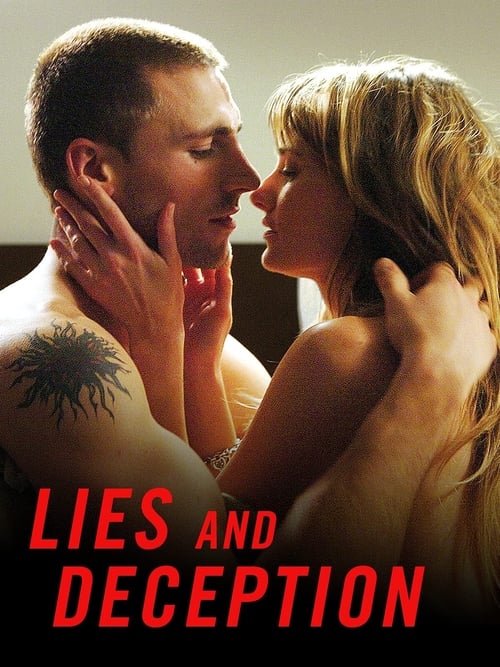
Lies and Deception
2005
No user ratings available yet
Representation score: 1.1 out of 10

Representation Score
Limited
1992
RDirector
James Keach
Runtime
91 minutes
Average Rating
No ratings yetNew Showbiz Analysis
Sunstroke is a traditional 1990s noir thriller that emphasizes individual ability to act over systemic critique. While the film avoids some common clichés by featuring a powerful female lead, it remains firmly within the bounds of conventional genre storytelling. The narrative focuses on personal crises and legal battles following a divorce, which limits its exploration of diverse identities or cultural subversions. Ultimately, the film operates as a character-driven mystery, adhering to the established conventions of its era and offering a standard genre experience.
Category Breakdown
The main storyline revolves around a heterosexual couple dealing with divorce and custody issues. There is no visible LGBTQ presence or narrative that questions the assumption that everyone is straight or cisgender.
Teresa is a central character with significant influence over the plot. Her journey to find her daughter in a noir setting suggests a move away from the passive female roles often seen in period thrillers.
The film is set in Scottsdale and follows the noir genre. There is no clear information about the racial makeup of the cast, nor any indication of race-conscious casting.
The story centers on family breakdown and legal disputes. It seems focused on traditional social and legal systems rather than exploring secular or anti-Western themes.
The narrative does not include any characters with visible or invisible disabilities.
Present on Screen
Limited or Absent
Official Synopsis
After a bitter divorce, Teresa embarks on a noir journey to recover custody of her daughter. Murder, blackmail, and a mysterious stranger await her at a Scottsdale motel.
2005
1997
1990
2002
1985

2007
1984

1998
No reviews yet. Be the first to share your thoughts on this movie!
Use the rating form above to leave a star rating and optional review.