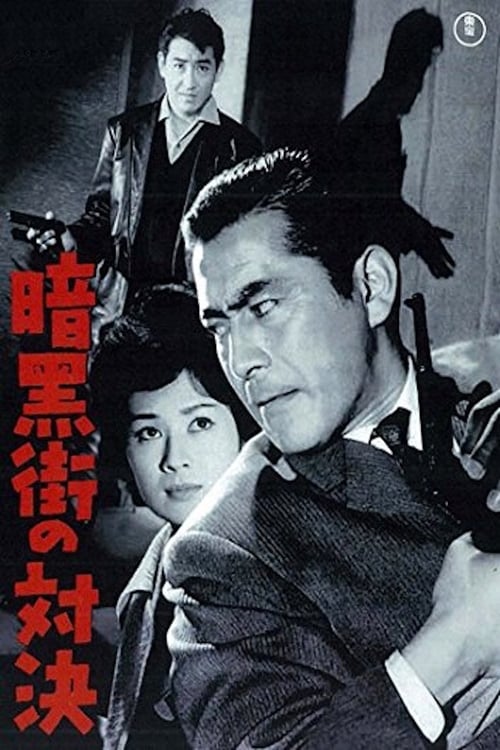
The Last Gunfight
1960
No user ratings available yet
Diversity score: 4.3 out of 10

1959
Director
Kihachi Okamoto
Runtime
109 minutes
Average Rating
No ratings yetSynopsis
When Sergeant Okubo's brother is murdered at a Japanese outpost in Northern China during the Second World War, Okubo poses as a war correspondent and seeks out his brother's killer.
Overall Score
Limited
Category Breakdown
LGBTQ+ Representation
The film lacks any evidence of LGBTQ+ characters or narratives. It appears to follow the traditional social frameworks common to its era.
Gender Representation
The story centers on a male protagonist driven by masculine vengeance. This focus suggests a traditional gender hierarchy with limited subversion of patriarchal norms.
Racial & Ethnic Diversity
The setting in Northern China involves a collision of different ethnic identities. However, the film lacks evidence of intersectional depth or the deconstruction of racial hierarchies.
Religious & Cultural Diversity
The narrative introduces moral complexity by prioritizing personal retribution over state-sanctioned duty. This disrupts the idea of the military as an absolute moral authority.
Disability Representation
There is no information regarding the inclusion of characters with physical or neurodivergent disabilities.
Strengths
Areas for Improvement
AI Analysis
Desperado Outpost is a mid-century war drama that largely adheres to the conventional storytelling tropes of 1950s action cinema. The narrative is driven by a personal vendetta, centering on Sergeant Okubo's pursuit of his brother's killer. While the film lacks modern progressive representation, it avoids total stagnation through its thematic focus on individual agency. By framing the mission as a quest for justice outside of formal military structures, the film explores a tension between state conduct and personal morality. Ultimately, the work remains a period-specific piece. It functions within the geopolitical and social constraints of its time, prioritizing kinetic, character-driven storytelling over social deconstruction.
1960
1965
1966

1968
No reviews yet. Be the first to share your thoughts on this movie!
Use the rating form above to leave a star rating and optional review.