
Back Door to Hell
1964
No user ratings available yet
Representation score: 2.8 out of 10
Representation Score
Limited
1973
PGDirector
Basil Bradbury, Neil Yarema
Runtime
90 minutes
Average Rating
No ratings yetNew Showbiz Analysis
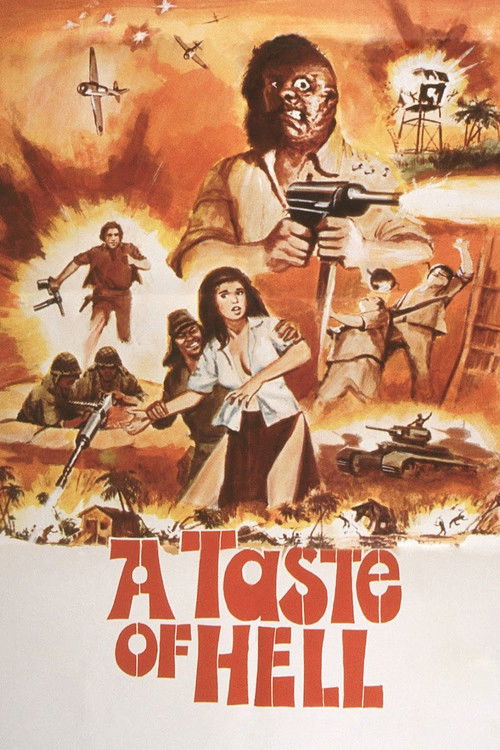
A Taste of Hell adheres to the conventional narrative structures of 1970s action and war cinema. The film focuses on a standard military revenge arc, centered on the conflict between U.S. Army officers and Japanese forces. Representation is constrained by the genre's reliance on traditional hierarchies and power dynamics. The inclusion of Philippine guerrilla troops introduces non-Western characters, but these figures may serve the plot's immediate needs rather than having independent ability to act.
Category Breakdown
The film follows a typical military revenge storyline. There is no indication of non-traditional gender identities or same-sex relationships.
Men, particularly U.S. Army officers and guerrilla fighters, play the primary roles in driving the story. The plot revolves around male leadership and physical confrontation.
The film depicts a clash between Western and non-Western forces. Philippine guerrilla fighters are present but may adhere to traditional wartime stereotypes.
The narrative emphasizes Western ideals of patriotism and military duty. It upholds traditional nationalist values and clear moral boundaries.
There are no visible or invisible disabilities that significantly impact the character arcs or the plot development.
Present on Screen
Limited or Absent
Official Synopsis
Set in the Philippines during WW II, two U.S. Army officers are caught and shot by a Japanese officer. One survives and soon joins with a guerrilla troop to battle the enemy... and get revenge.
1964

1978

1980
1965

1986

2018

1966

1969
No reviews yet. Be the first to share your thoughts on this movie!
Use the rating form above to leave a star rating and optional review.