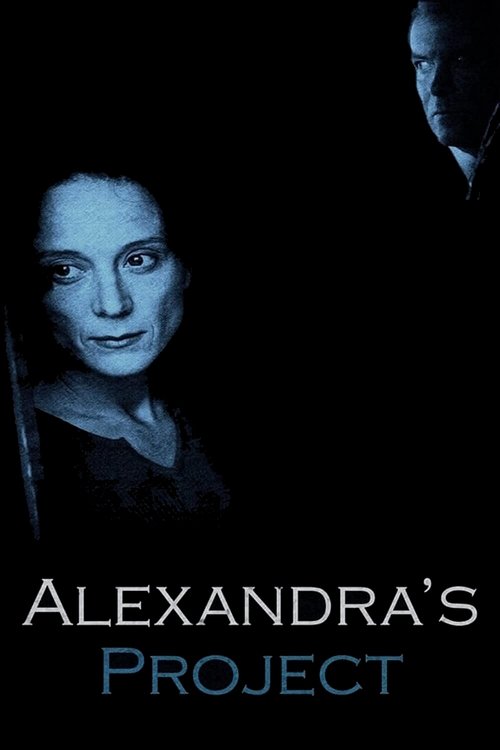
Alexandra's Project
2003
No user ratings available yet
Representation score: 6.4 out of 10

Representation Score
Limited
2005
RDirector
Michael Haneke
Runtime
118 minutes
Average Rating
No ratings yetNew Showbiz Analysis
Caché is a detailed look at bourgeois complacency that uses racial and cultural tensions to drive its mystery. While the main characters remain traditionally defined, the film excels in its nuanced critique of Western dominance and colonial history. The story avoids simple good-versus-evil narratives, instead highlighting the protagonists' comfort as a form of complicity. By focusing on the 'ghosts' of the Algerian War through a North African character, the film prompts viewers to confront historical traumas. Ultimately, the film emphasizes thematic complexity over broad demographic representation, using its central conflict to challenge the viewer's sense of moral purity.
Category Breakdown
The film does not include any LGBTQ+ characters or non-straight relationships. The story centers around a traditional heterosexual marriage.
The story portrays a stable, upper-middle-class marriage characterized by emotional distance. It does not challenge traditional gender roles or give women significant control over the plot.
Majid, a North African character, serves as a key figure to disrupt the predominantly white, French bourgeois setting. His background helps explore the lasting impacts of historical colonization and accountability.
The narrative questions the stability and morality of Western institutions. It uses historical revisionism to challenge the perceived righteousness of middle-class structures and systemic involvement in past injustices.
There are no visible or invisible disabilities that play a central role in the story.
Present on Screen
Limited or Absent
Official Synopsis
As the host of a literary TV show, Georges begins receiving anonymously filmed videos of his family alongside cryptic, disturbing drawings, but as the tapes become increasingly intimate, they reveal a stalker who has known him for a very long time.
2003

2005
2016
1976
1990

2003

2010
1944
No reviews yet. Be the first to share your thoughts on this movie!
Use the rating form above to leave a star rating and optional review.