The Eye
2008
No user ratings available yet
Representation score: 4.4 out of 10
Representation Score
Fair
1995
RDirector
Brett Leonard
Runtime
103 minutes
Average Rating
No ratings yetNew Showbiz Analysis
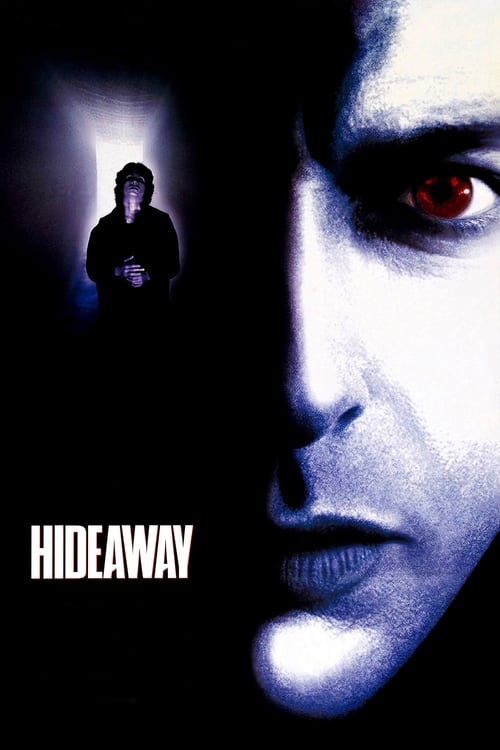
Hideaway is a quintessential 1990s genre thriller that prioritizes individualistic, male-centric conflict over broader social representation. The narrative relies on a traditional family structure to establish emotional stakes, which limits the scope of its character dynamics. While the film engages with postmodern themes regarding simulated reality and the instability of truth, these intellectual explorations do not translate into meaningful social representation. The focus remains on technological horror rather than multi-layered identity. Ultimately, the film reflects the era's cinematic norms, favoring established clichés and a homogeneous cast over a diverse or subversive social landscape.
Category Breakdown
The film does not include any visible LGBTQ+ characters or narratives. It focuses on a traditional nuclear family, offering no engagement with queer identities or critiques of the assumption that everyone is straight.
The story centers around a male protagonist, with female characters mainly serving as emotional catalysts. It follows conventional 1990s gender hierarchies where the central conflict is driven by male characters.
The cast appears relatively homogeneous with no evidence of diverse casting. The dystopian setting does not provide significant blending of racial identities or diverse metaphors for ethnic backgrounds.
The film explores anti-authoritarian themes and the deconstruction of objective truth through digital simulation. It operates within a standard 'man vs. the system' framework common to 1990s cyberpunk.
The protagonist's psychological trauma and visions could be viewed through a lens of neurodivergence. However, these elements function as thriller plot devices rather than nuanced studies of lived experience.
Present on Screen
Limited or Absent
Official Synopsis
Hatch Harrison, his wife, Lindsey, and their daughter, Regina, are enjoying a pleasant drive when a car crash leaves wife and daughter unharmed but kills Hatch. However, an ingenious doctor, Jonas Nyebern, manages to revive Hatch after two lifeless hours. But Hatch does not come back unchanged. He begins to suffer horrible visions of murder -- only to find out the visions are the sights of a serial killer.
2008
2008
1977
1983
2009
1986
2006

1984
No reviews yet. Be the first to share your thoughts on this movie!
Use the rating form above to leave a star rating and optional review.