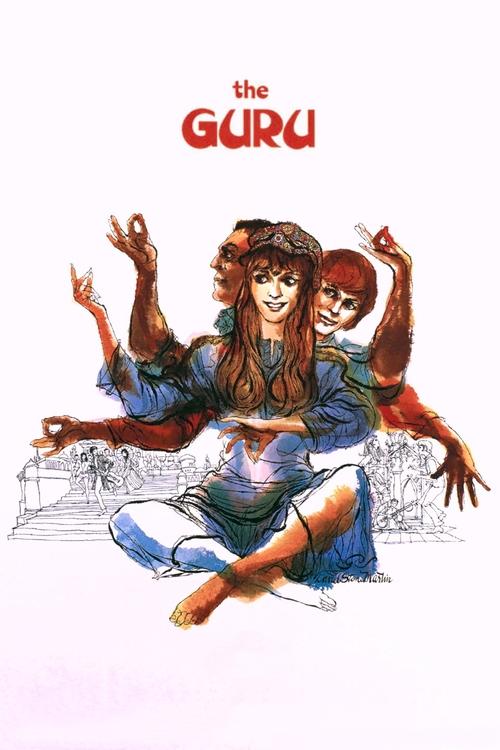
The Guru
1969
No user ratings available yet
Representation score: 4.8 out of 10
Representation Score
Fair
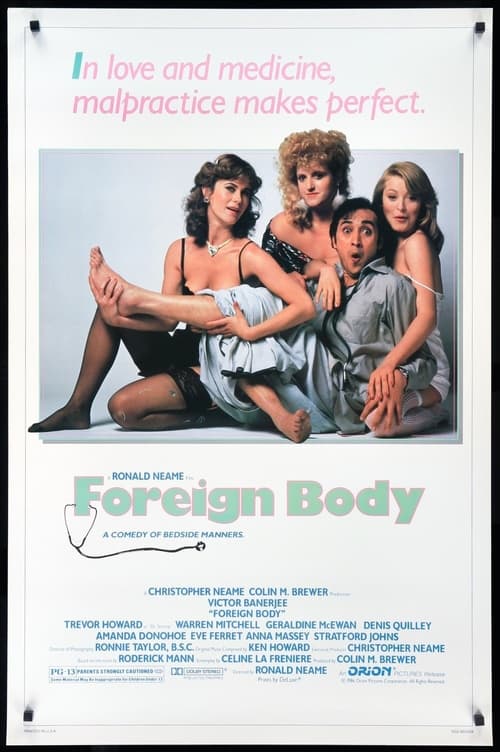
1986
PG-13Director
Ronald Neame
Runtime
111 minutes
Average Rating
No ratings yetNew Showbiz Analysis
Foreign Body stands out for its era by centering an Indian protagonist, Ram Das, within a Western setting. This choice provides a level of racial representation that was uncommon in mid-1980s cinema, particularly through its depiction of a cross-cultural romance. However, the film remains anchored in traditional storytelling conventions. The narrative structure prioritizes a male-driven journey of displacement and romantic pursuit, offering limited roles to female characters. It functions more as a personal odyssey than a broader critique of societal issues. While the film disrupts racial homogeneity, it lacks representation for LGBTQ+ identities and characters with disabilities. The story adheres to conventional romantic clichés rather than challenging established cinematic structures.
Category Breakdown
The film does not include any LGBTQ+ characters or storylines that explore non-straight relationships.
The story revolves around a male protagonist's journey of self-discovery and relocation. A female character drives the emotional storyline but mainly serves as a romantic catalyst.
The film highlights an Indian protagonist in a Western setting, providing significant ethnic representation for the time. This portrayal contrasts with the typical homogeneous casting of the era.
The themes of migration and the tension between Eastern origins and Western life are explored. The narrative delves into personal journeys and the complexities of family structures influenced by cultural shifts.
There are no characters with visible or invisible disabilities mentioned in the story.
Present on Screen
Limited or Absent
Official Synopsis
Banerjee stars as Ram Das, a jobless Indian man who, tired of life in Calcutta, steals money from his father in order to afford a passage to Britain and while there, falls in love with a white woman.
1969
1985

2018

2011

2014
1992
2003

2004
No reviews yet. Be the first to share your thoughts on this movie!
Use the rating form above to leave a star rating and optional review.