Genius Within: The Inner Life of Glenn Gould
2009
No user ratings available yet
Representation score: 3.9 out of 10
Representation Score
Fair
1994
GDirector
Christopher Nupen
Average Rating
No ratings yetNew Showbiz Analysis
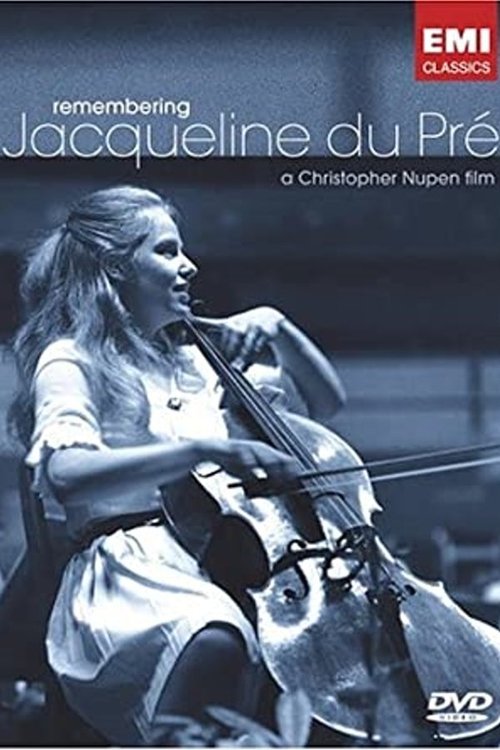
Remembering Jacqueline Du Pre earns its strength from a resolute, woman-centered perspective. Du Pré’s artistry and choices drive the narrative, while male figures, including her husband, function as supporters rather than leaders. This framing grants her full narrative control. The film’s most compelling representation lies in its treatment of disability. Multiple sclerosis is presented as a serious, lived condition with genuine emotional weight, avoiding both trivialization and hollow inspiration tropes. The illness shapes the story without defining her solely as a victim. However, the documentary reflects the narrow demographics of its subject’s world. The cast and interviewees are almost entirely white, and no LGBTQ+ characters appear. These omissions limit its broader cultural resonance, even as it succeeds in honoring du Pré’s legacy.
Category Breakdown
No LGBTQ+ characters or same-sex relationships appear. The documentary focuses exclusively on Jacqueline du Pré’s career and her marriage to Daniel Barenboim, leaving queer identities entirely absent from its narrative scope.
Jacqueline du Pré is the clear protagonist; her artistry and life choices drive the entire narrative. Male figures, including her husband, are framed as supporters rather than leaders, centering a woman’s voice and experience.
The cast and interviewees are almost entirely white, reflecting the demographics of the classical music world du Pré inhabited. No characters of color hold significant screen time or narrative weight.
The film honors traditional Western classical music and depicts family bonds as a source of strength. It avoids political commentary, focusing instead on personal tragedy and artistic excellence within a familiar cultural framework.
Multiple sclerosis is portrayed as a central, devastating reality of du Pré’s life, not a plot device. The documentary treats her illness with deep empathy, showing its impact without mockery or inspiration porn.
Present on Screen
Limited or Absent
Official Synopsis
Director Christopher Nupen paints an honest, moving portrait of Jacuqeline Du Pre, the cellist who mesmerized audiences every time she took the stage. Du Pre (whose life also inspired the film Hilary and Jackie) transcended other players on the horizon from the moment she debuted at age 16 and broke the hearts of classical music enthusiasts everywhere when she had to retire 11 years later after multiple sclerosis left her unable to play.
2009

1998
2011
2018

2023
2022
2015
2015
No reviews yet. Be the first to share your thoughts on this movie!
Use the rating form above to leave a star rating and optional review.