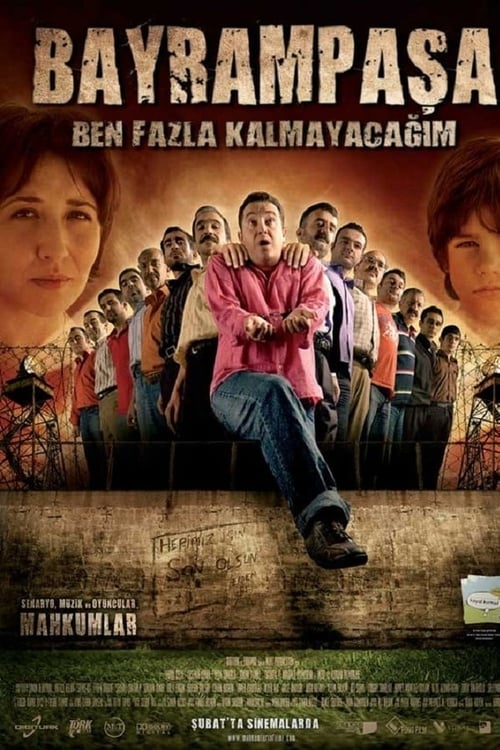
Bayrampaşa: Ben Fazla Kalmayacağım
2008
No user ratings available yet
Representation score: 4.2 out of 10

Representation Score
Good
2012
Director
Orçun Benli
Runtime
100 minutes
Average Rating
No ratings yetNew Showbiz Analysis
Bu Son Olsun provides a unique perspective by focusing on underrepresented individuals rather than institutional leaders. Through its depiction of homeless individuals navigating the chaos of the 1980 military curfew, the film challenges conventional political hierarchies. However, the film's narrow demographic focus, centered on a male-only group and lacking explicit LGBTQ+ or female characters, limits its multi-layered depth.
Category Breakdown
The story centers around five male protagonists and does not include any LGBTQ+ characters or identities that challenge the assumption that everyone is straight or cisgender.
The film is dominated by male characters, with no significant female presence or ability to act in the central group.
The film explores the lives of disenfranchised individuals within a specific social context, focusing on class-based identity rather than diverse ethnic representation.
The film sets up a contrast between state authority and the lives of individuals on the fringes of society during the 1980 coup era, highlighting the disruption of traditional roles.
While the characters are not specifically identified by clinical disabilities, their homelessness underscores the broader societal issues affecting vulnerable populations.
Present on Screen
Limited or Absent
Official Synopsis
Yaşar, Apo, Kovboy Ali, Cevat, and Ertuğrul's only goal in life is to fill their stomachs and never be separated from their greatest passion, wine, even for a single day. These five people, who live day to day, know how to take advantage of the stormy political atmosphere of the time to achieve their goals. These five homeless individuals living on the streets find themselves facing a curfew on the morning of September 12, 1980. However, the only "home" they can go to is the streets themselves. As a result of a series of comedic misunderstandings, they find themselves imprisoned alongside political prisoners in the same jail.
2008

2019
2008
2018

2009
1986
2005

2017
No reviews yet. Be the first to share your thoughts on this movie!
Use the rating form above to leave a star rating and optional review.