Make It Mine
1986
No user ratings available yet
Representation score: 1.8 out of 10
Representation Score
Limited
1982
RDirector
Henri Safran
Runtime
98 minutes
Average Rating
No ratings yetNew Showbiz Analysis
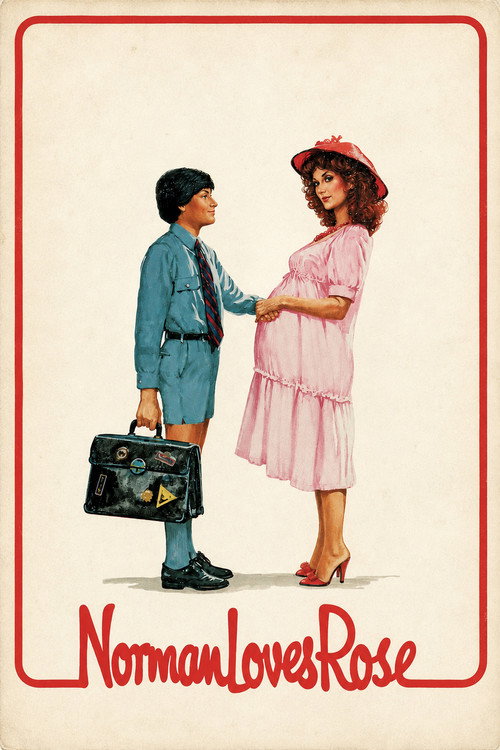
Norman Loves Rose is a character study focused on social transgression rather than demographic diversity. The film's edge comes from disrupting the perceived stability of the traditional family structure through a scandalous romantic entanglement. While the film offers a moderate departure from conservative moralizing, it remains limited by a lack of multi-layered depth. Its strength lies in its exploration of situational ethics and the subversion of kinship norms. Ultimately, the production reflects the era's conventional aesthetic and homogeneous casting, prioritizing the tension between individual desire and rigid social expectations over systemic representation.
Category Breakdown
The film centers on a heterosexual relationship and does not include any LGBTQ+ identities or narratives.
The story explores gendered desire through a central conflict involving pregnancy and paternity ambiguity, shifting the focus away from traditional male leadership roles.
The cast is predominantly homogeneous, reflecting its mid-century Australian setting, with no significant racial blending or color-blind casting.
The narrative critiques the sanctity of the nuclear family by focusing on a breach of familial norms, but it does not offer a broader critique of systemic institutions.
There are no visible or invisible disabilities portrayed as central to the narrative.
Present on Screen
Limited or Absent
Official Synopsis
A teenage boy falls hopelessly in love with his new sister-in-law. When she gets pregnant, someone raises the question that he might be the father--a notion he does nothing to discourage.
1986

2013

2006
1992
1978

1994

2020
1976
No reviews yet. Be the first to share your thoughts on this movie!
Use the rating form above to leave a star rating and optional review.